 Cart is empty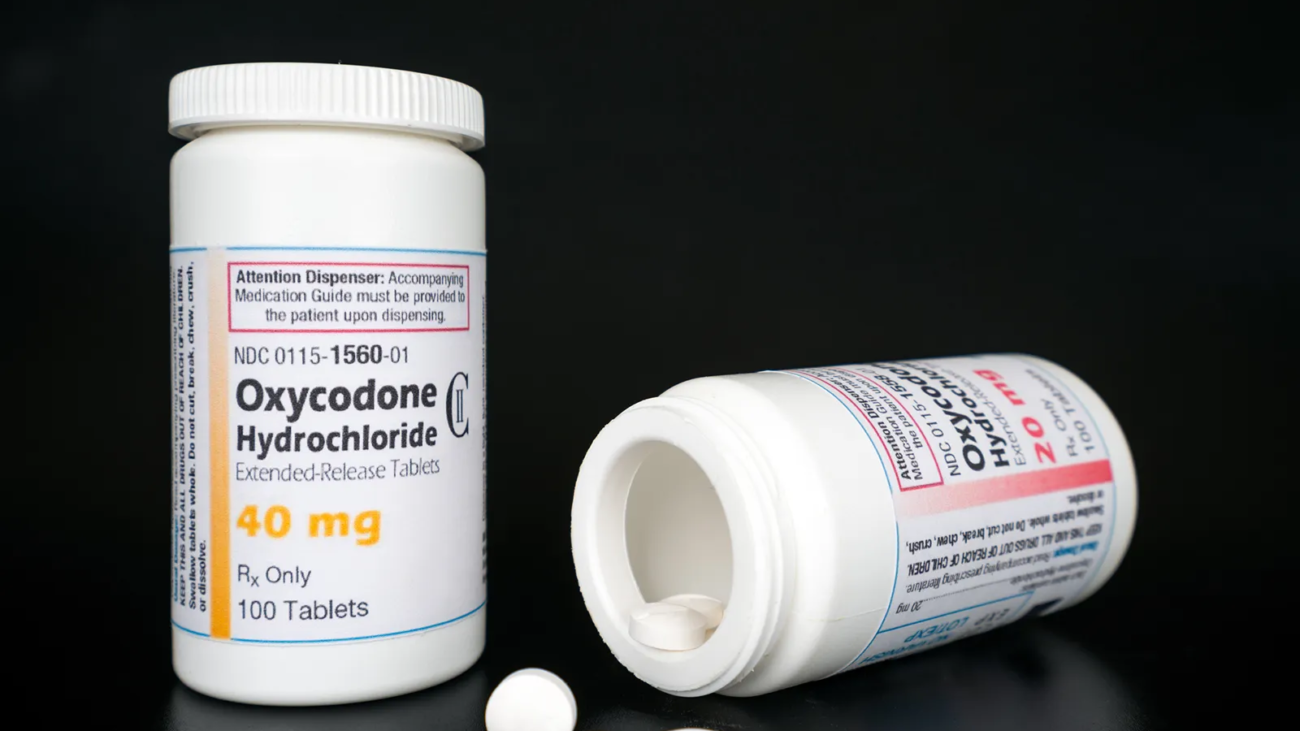
Pain can affect sleep, mobility, work, exercise and overall quality of life. The right approach to pain management depends on the cause, severity and duration of pain, as well as a person’s overall health and other medicines.
Prescription pain relief is not a single category. Healthcare professionals may consider different medicines and non-drug approaches depending on whether pain is acute, chronic, inflammatory, nerve-related or associated with another medical condition.
Understanding the available options can help patients have more productive conversations with their healthcare providers.
What Is Prescription Pain Relief?
Prescription pain relief refers to medicines that require authorization from a qualified healthcare professional because they may have significant effects, interactions or safety considerations.
Some prescription pain medicines include opioids, while other treatments may involve non-opioid medicines or medications that target particular types of pain.
The appropriate choice depends on the individual rather than simply selecting the strongest medicine.
Opioid Pain Medicines
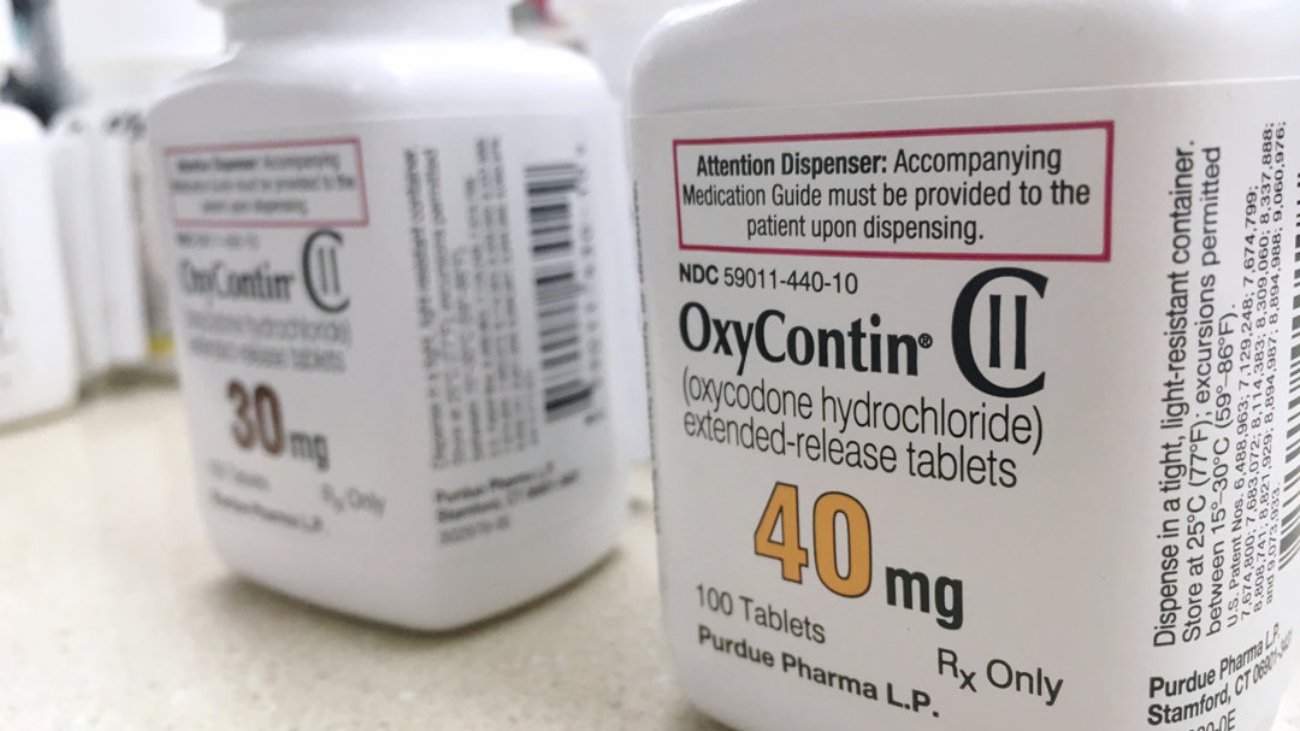
Opioids such as oxycodone, hydrocodone and morphine can be effective for certain types of significant pain. However, they also carry serious risks, including misuse, addiction, overdose and respiratory depression.
FDA recommends that opioid treatment decisions consider the individual’s pain, function, risks and available alternatives.
Non-Opioid Options
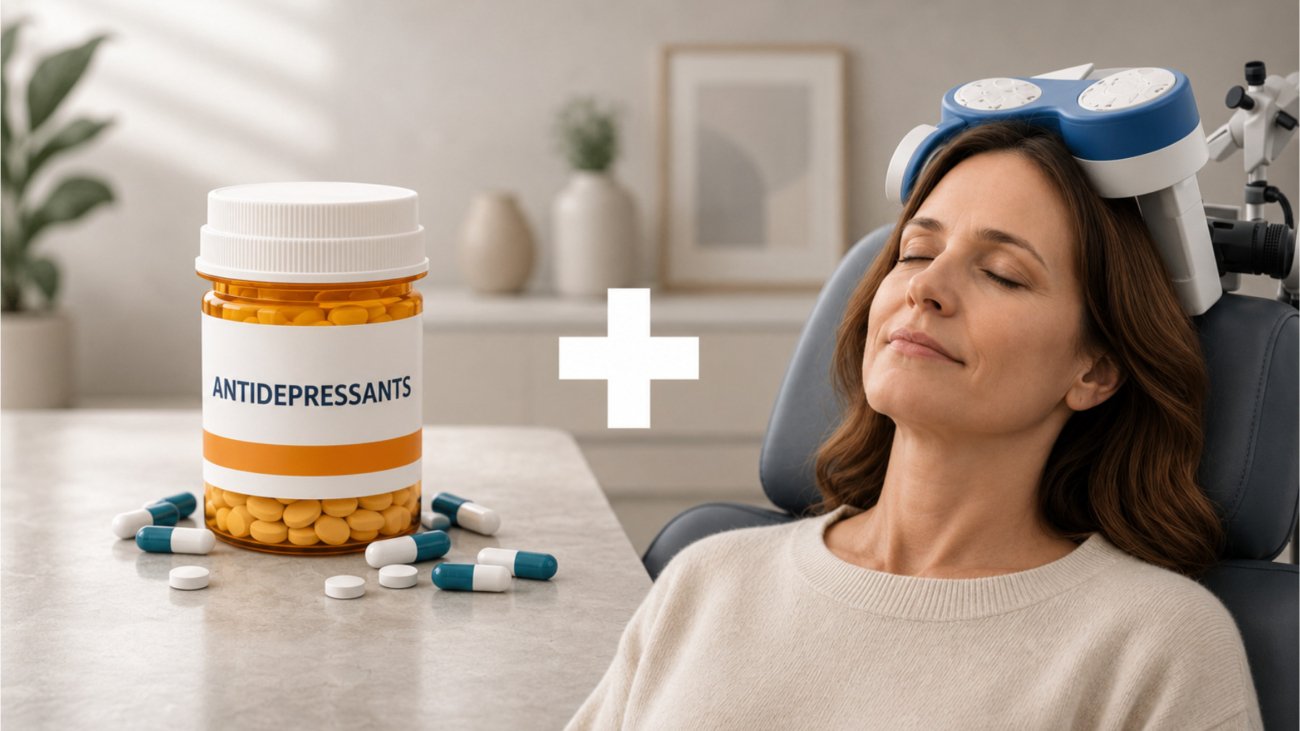
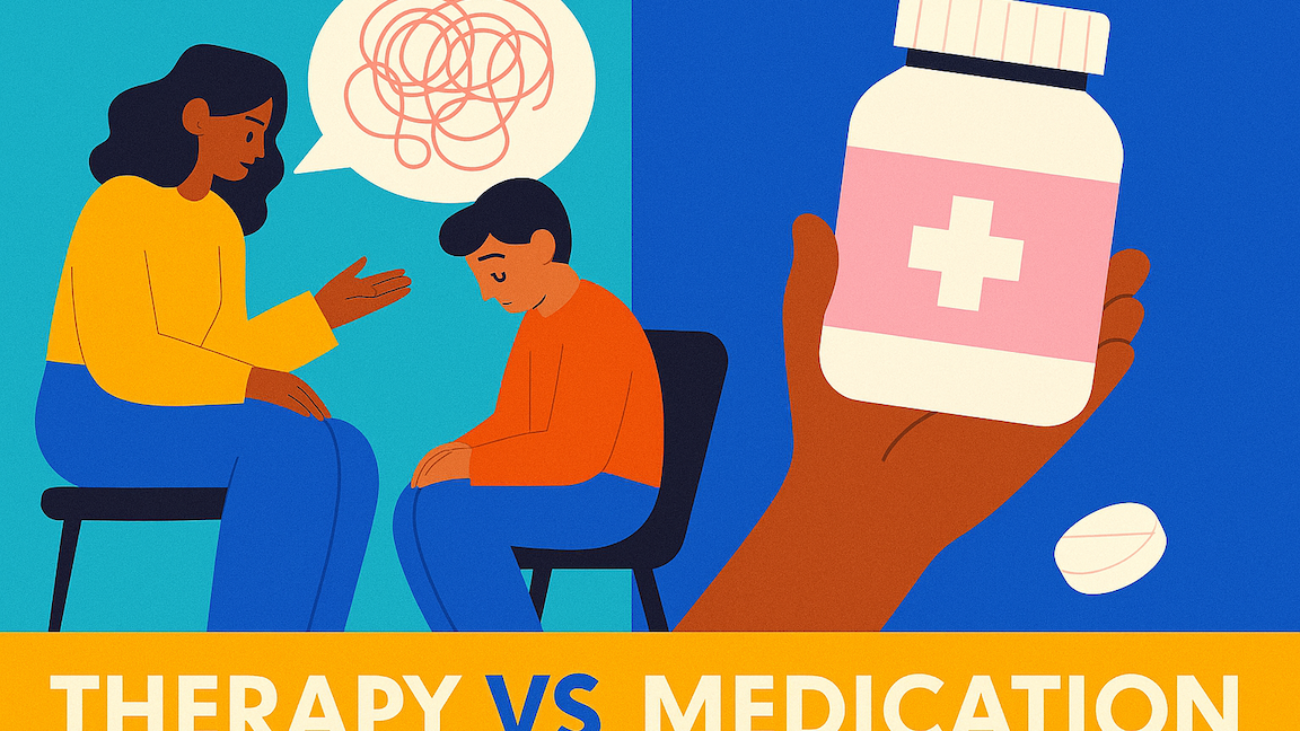
Depending on the condition, treatment may involve non-opioid prescription medicines, over-the-counter medicines, physical therapy, exercise, psychological approaches or other interventions.
For chronic pain, evidence supports several complementary approaches, although effectiveness varies by condition and individual.
Questions to Ask Before Starting Pain Medication
Patients can ask:
- What is causing my pain?
- What treatment options are available?
- Is this medication intended for short-term or longer-term use?
- What side effects should I watch for?
- Could this medication interact with my other medicines?
- Are there non-opioid or non-drug options?
- What should I do with unused medication?
Conclusion
Effective pain management is about finding an appropriate balance between symptom relief, safety and quality of life. Prescription medicines can be useful for some patients, but treatment should be individualized and monitored..