
 Cart is empty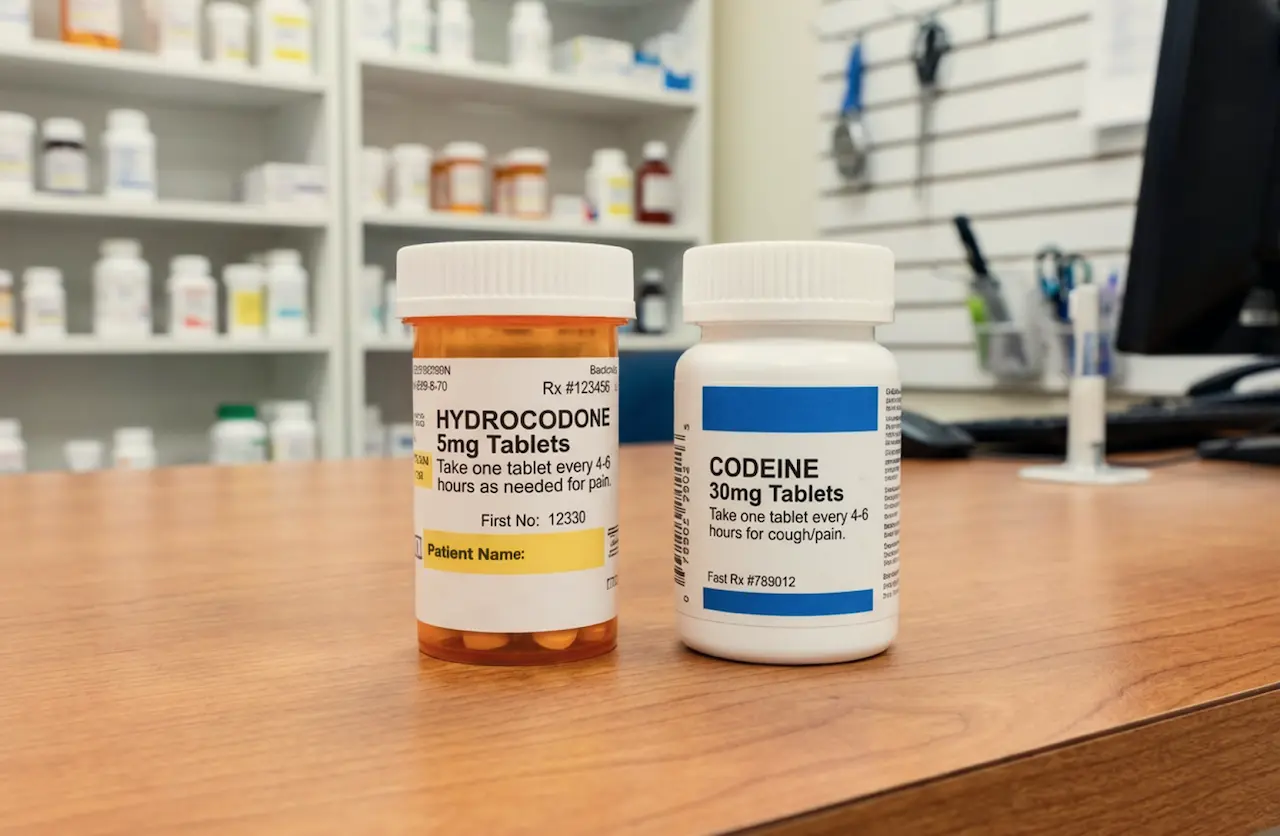
Hydrocodone
Price range: $260.00 through $1,200.00
- The severity and cause of pain
- Patient medical history
- Previous pain treatments
- Risk factors for opioid-related complications
- Current medications
- Pain perception
- Emotional response to pain
- Nervous system signaling
- Hydrocodone
- Acetaminophen
- Pain signals transmitted through the nervous system
- Emotional response to discomfort
- Perception of pain intensity
- Acute pain following injury or surgery
- Certain chronic pain conditions
- Pain requiring opioid-level treatment
- Pain severity
- Previous treatments
- Overall health condition
- Medication history
- Potential risks
- Daily activities
- Physical rehabilitation
- Recovery programs
- Normal routines
- Physical therapy
- Non-opioid medications
- Lifestyle approaches
- Other medical interventions
- Active ingredients
- Strength
- Immediate-release or extended-release design
- Tablet or capsule formulation
- Manufacturer information
- Drowsiness
- Constipation
- Nausea
- Vomiting
- Dizziness
- Fatigue
- Dry mouth
- Difficulty breathing
- Extreme sedation
- Confusion
- Severe allergic reactions
- Loss of consciousness
- Prescription drugs
- Over-the-counter medications
- Supplements
- Herbal products
- Follow prescribed instructions
- Do not share medication
- Store medication securely
- Avoid combining with alcohol unless approved by a healthcare professional
- Attend medical follow-up appointments
- Type of pain
- Severity of symptoms
- Previous treatments
- Medical history
- Risk factors
- Pain improvement
- Medication effectiveness
- Side effects
- Functional improvement
- Signs of complications
- Are properly licensed
- Perform appropriate medical evaluations
- Follow prescribing guidelines
- Monitor treatment outcomes
- Prioritize patient safety
Hydrocodone Medication: Complete Guide to Uses, Safety, Side Effects and Prescription Pain Management Information
Introduction to Hydrocodone
Hydrocodone is a prescription opioid medication used for the management of certain types of moderate to severe pain when alternative treatment options may not provide adequate relief.
It belongs to a class of medications known as opioid analgesics, which work by interacting with opioid receptors in the central nervous system to help reduce the perception of pain.
Hydrocodone is commonly available in combination products with other ingredients, such as acetaminophen, and may also be available in extended-release formulations designed for specific clinical situations.
Because hydrocodone affects the nervous system and carries risks associated with opioid medications, it should only be used under the supervision of a qualified healthcare professional.
Healthcare providers consider several factors before prescribing hydrocodone, including:
What Is Hydrocodone?
Hydrocodone is a semi-synthetic opioid medication developed for pain management.
It works by binding to opioid receptors in the brain and spinal cord, which are involved in:
Hydrocodone may be prescribed when a healthcare provider determines that opioid therapy is appropriate.
Common hydrocodone formulations include:
Hydrocodone/Acetaminophen
This combination contains:
The combination is designed to provide pain relief through two different mechanisms.
Extended-Release Hydrocodone
Extended-release formulations are designed for certain patients requiring around-the-clock pain management under careful medical supervision.
How Hydrocodone Works
Hydrocodone works primarily by activating opioid receptors, especially mu-opioid receptors, within the central nervous system.
This activity can influence:
By modifying pain signaling, hydrocodone may help patients manage pain that significantly affects daily functioning.
However, because opioid medications affect the brain and nervous system, careful monitoring is required.
Medical Uses of Hydrocodone
Hydrocodone is primarily prescribed for pain management.
Healthcare providers may consider hydrocodone for:
Before prescribing hydrocodone, healthcare professionals typically evaluate:
The goal is to provide appropriate pain management while minimizing unnecessary risks.
Benefits of Hydrocodone When Medically Appropriate
When prescribed appropriately, hydrocodone may provide important benefits for selected patients.
Potential benefits may include:
Pain Reduction
Hydrocodone may reduce pain intensity by changing how the nervous system processes pain signals.
Improved Daily Function
Effective pain management may help some patients participate more comfortably in:
Individualized Pain Management
Healthcare providers may use hydrocodone as one component of a broader pain management plan that may include:
Hydrocodone Formulations and Product Information
Hydrocodone products vary depending on formulation and intended use.
Important product characteristics may include:
Healthcare providers select formulations based on individual patient needs.
Important Safety Information About Hydrocodone
Hydrocodone requires careful medical supervision because opioid medications can cause serious effects.
Important safety considerations include:
Respiratory Depression
Opioids may slow breathing, particularly when combined with other substances that depress the nervous system.
Dependence and Withdrawal
Physical dependence may occur with continued opioid use.
Patients should not change or stop treatment without consulting a healthcare professional.
Misuse and Abuse Risks
Hydrocodone is classified as a controlled medication in many regions because of potential misuse and dependence risks.
Healthcare providers evaluate patient risk factors and monitor treatment appropriately.
Possible Side Effects of Hydrocodone
Like all medications, hydrocodone may cause side effects.
Common side effects may include:
Patients should discuss persistent side effects with their healthcare provider.
Serious side effects requiring urgent medical attention may include:
Hydrocodone Drug Interactions
Patients should inform healthcare providers about all medications and substances they use.
Important interactions may involve:
Alcohol
Alcohol may increase sedation and respiratory risks.
Benzodiazepines and Sedatives
Combining hydrocodone with other central nervous system depressants may increase the risk of dangerous effects.
Other Opioids
Using multiple opioid medications without medical supervision may increase risks.
Certain Prescription Medications
Healthcare providers should review:
Proper Use of Hydrocodone
Hydrocodone should always be taken exactly as prescribed.
Important medication practices include:
Patients should communicate openly with healthcare providers about pain control and side effects.
Who May Receive Hydrocodone Treatment?
Hydrocodone may be appropriate for certain patients after professional evaluation.
Healthcare providers consider:
Not all pain conditions require opioid therapy. Healthcare providers determine the most appropriate treatment option.
Hydrocodone and Healthcare Provider Monitoring
Ongoing monitoring is an important part of opioid therapy.
Healthcare providers may evaluate:
Regular communication helps ensure treatment remains appropriate.
Choosing a Reliable Hydrocodone Healthcare Provider
Patients should seek care from healthcare providers who:
Responsible opioid prescribing involves balancing pain management needs with medication safety.
Frequently Asked Questions About Hydrocodone
What is hydrocodone used for?
Hydrocodone is a prescription opioid medication used for managing certain types of moderate to severe pain when medically appropriate.
Is hydrocodone a prescription medication?
Yes. Hydrocodone is a prescription controlled medication that requires professional medical authorization.
How does hydrocodone work?
Hydrocodone works by interacting with opioid receptors in the nervous system to reduce pain perception.
What are common hydrocodone side effects?
Common side effects may include drowsiness, constipation, nausea, dizziness, and fatigue.
Can hydrocodone cause dependence?
Yes. Hydrocodone may cause physical dependence and requires careful medical supervision.
Can hydrocodone be combined with other medications?
Patients should consult healthcare providers before combining hydrocodone with other medications.
Is hydrocodone available in different formulations?
Yes. Hydrocodone may be available in different formulations depending on medical requirements

Hydrocodone is a prescription opioid medication used to manage certain types of moderate to severe pain. It works primarily by binding to opioid receptors in the central nervous system, helping reduce the body’s perception of pain.
Hydrocodone is available in different prescription formulations, including products that combine it with other pain-relieving medicines. The specific formulation and treatment approach should be determined by a qualified healthcare professional based on the patient’s condition and medical history.
Because hydrocodone is an opioid, it carries important risks including drowsiness, constipation, respiratory depression, physical dependence, misuse, addiction, and potentially fatal overdose. These risks can increase when hydrocodone is combined with alcohol, benzodiazepines, or other medicines that cause sedation.
Important: Hydrocodone is a prescription controlled medication and should only be used exactly as directed by a qualified healthcare professional. Never share prescription opioids with another person or use them without appropriate medical supervision.
| Counts | 30 Pills, 60 Pills, 90 Pills, 120 Pills, 240 Pills |
|---|
1 review for Hydrocodone
Related Products

Suboxone (buprenorphine/naloxone)
Price range: $315.00 through $1,000.00
ketamine Vials
Price range: $260.00 through $1,100.00
Rick Simpson Oil – RSO
Price range: $170.00 through $1,800.00
Anonymous –
I feel that I never was a greater artist than now. When, while the lovely valley teems with vapour around me, and the meridian sun strikes the upper surface of the impenetrable foliage of my trees, and but a few stray gleams steal into the inner sanctuary.