
 Cart is empty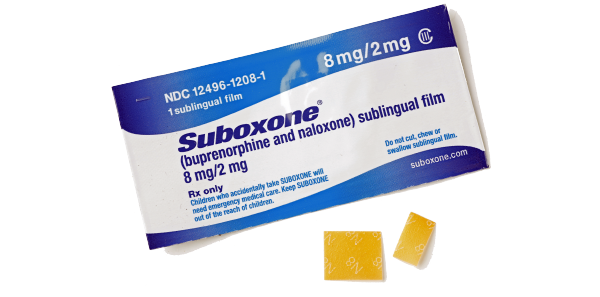
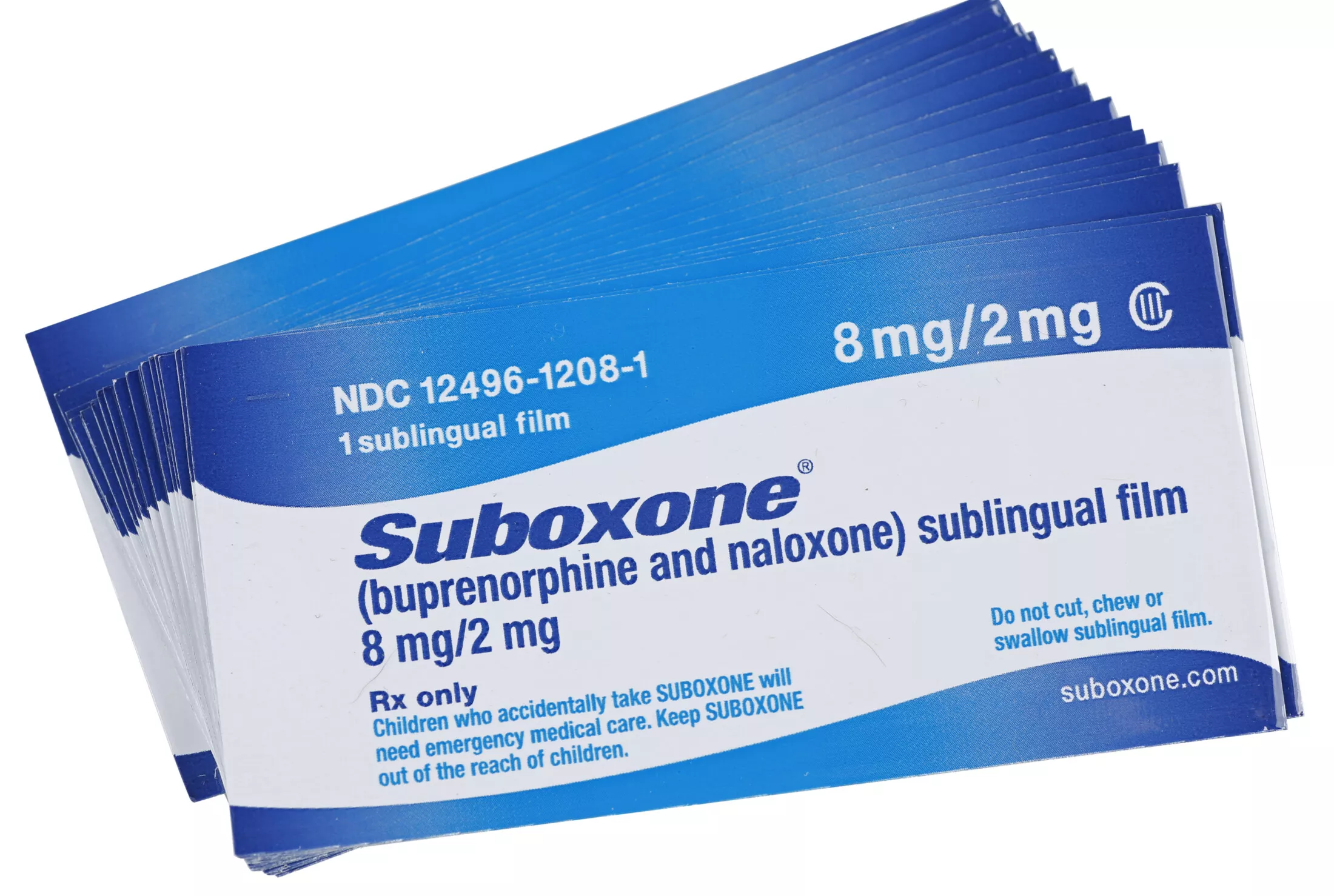
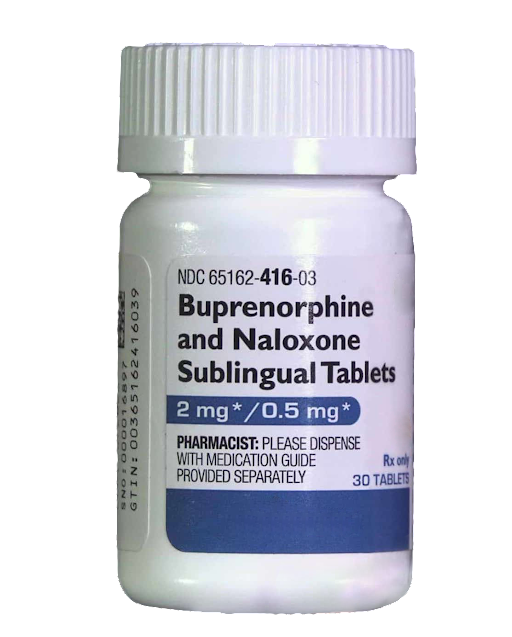
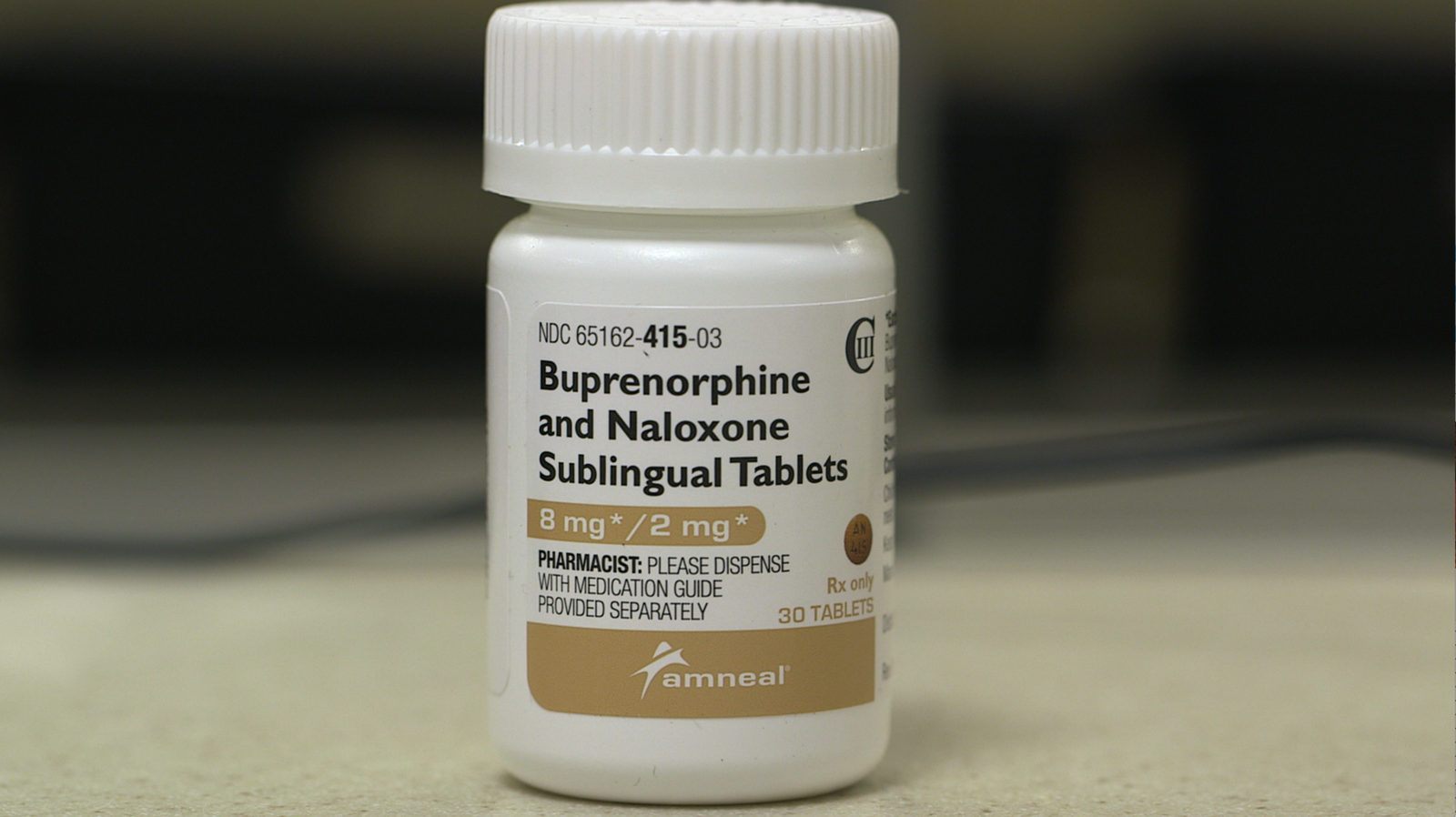
Suboxone (buprenorphine/naloxone)
Price range: $315.00 through $1,000.00
- Medical evaluations
- Recovery planning
- Behavioral therapy
- Counseling services
- Monitoring and follow-up appointments
- Supportive healthcare interventions
- Reduce opioid withdrawal symptoms
- Decrease opioid cravings
- Support treatment retention
- Improve stability during recovery programs
- Strong cravings
- Withdrawal symptoms
- Difficulty stopping opioid use
- Increased risk of relapse
- Medical history
- Previous opioid exposure
- Current opioid use patterns
- Mental health considerations
- Other medications being taken
- Overall treatment goals
- Administration technique
- Treatment schedule
- Dose adjustments
- Follow-up visits
- Safety precautions
- Current medications
- Previous medical conditions
- Liver problems
- Breathing conditions
- Mental health conditions
- Pregnancy or breastfeeding status
- Alcohol use
- Use of sedatives or other substances
- Headache
- Nausea
- Vomiting
- Constipation
- Sweating
- Fatigue
- Sleep disturbances
- Dizziness
- Mouth discomfort
- Difficulty breathing
- Severe allergic reactions
- Extreme drowsiness
- Loss of consciousness
- Signs of liver problems
- Prescription medications
- Over-the-counter medicines
- Vitamins
- Herbal supplements
- Recreational substances
Suboxone buprenorphine naloxone
- Follow the prescribed treatment schedule
- Do not change dosage without medical approval
- Do not share medication with others
- Store medication securely
- Attend scheduled healthcare appointments
- Diagnosis of opioid use disorder
- Current opioid exposure
- Previous treatment history
- Overall physical health
- Mental health status
- Recovery goals
- Initial patient assessment
- Treatment planning
- Medication management
- Monitoring treatment response
- Adjusting therapy when appropriate
- Providing recovery resources
- Maintains appropriate medical licensing
- Provides professional evaluations
- Offers evidence-based treatment
- Provides follow-up care
- Prioritizes patient safety
- Maintains confidentiality and ethical standards
Suboxone Buprenorphine Naloxone: Professional Medication Information Guide for Opioid Use Disorder Treatment
Introduction to Suboxone
Suboxone is a prescription medication containing two active ingredients: buprenorphine and naloxone. It is designed for use as part of a comprehensive treatment approach for opioid use disorder (OUD), alongside appropriate medical assessment, counseling, behavioral support, and ongoing healthcare supervision.
Suboxone is available in sublingual film and other approved formulations. The medication combines the therapeutic properties of buprenorphine with the safety-supporting effects of naloxone. Buprenorphine works as a partial opioid receptor agonist, helping reduce opioid cravings and withdrawal symptoms, while naloxone is included to help reduce misuse through inappropriate routes of administration.
For healthcare professionals and patients seeking reliable medication information, understanding how Suboxone works, its approved role, safety considerations, and proper medical use is essential.
What Is Suboxone?
Suboxone is a medication used in medication-assisted treatment (MAT), also known as medication for opioid use disorder (MOUD). It is prescribed to eligible patients as part of an individualized recovery plan.
Unlike medications that simply address symptoms temporarily, Suboxone is intended to support long-term treatment strategies by helping stabilize patients affected by opioid dependence and opioid use disorder.
The medication is commonly incorporated into a broader healthcare program that may include:
Suboxone should only be used according to the instructions of a qualified healthcare professional.
Active Ingredients in Suboxone
Buprenorphine
Buprenorphine is a partial agonist at the mu-opioid receptor. This means it interacts with opioid receptors in the nervous system but produces a more limited opioid effect compared with full opioid agonists.
Its pharmacological properties may help:
Buprenorphine has been approved for medical use in opioid dependence treatment under appropriate prescribing guidelines.
Naloxone
Naloxone is an opioid antagonist included in Suboxone formulations. Its purpose is to discourage misuse, particularly when the medication is used through unintended routes such as injection.
When Suboxone is taken as prescribed through approved administration methods, naloxone has limited clinical effect compared with buprenorphine. However, it becomes more active when misused through certain routes.
How Suboxone Works
Suboxone works by targeting the neurological pathways involved in opioid dependence.
During opioid use disorder, repeated opioid exposure can alter brain reward systems, stress responses, and opioid receptor activity. These changes may contribute to:
Buprenorphine helps by partially stimulating opioid receptors, which can reduce withdrawal discomfort and cravings without producing the same intensity of effect associated with full opioid agonists.
The goal of treatment is not simply medication use. The goal is improved stability, reduced harmful opioid use, and increased ability to participate in recovery activities.
Medical Uses of Suboxone
Suboxone is primarily used as part of treatment programs for opioid use disorder.
Healthcare providers evaluate multiple factors before recommending treatment, including:
A healthcare provider determines whether Suboxone is appropriate for an individual patient.
Suboxone Sublingual Film Information
Suboxone sublingual film is designed to dissolve in the mouth under medical direction. Proper administration is important because incorrect use may affect medication absorption and effectiveness.
Patients should follow healthcare provider instructions regarding:
The prescribing information emphasizes that Suboxone should be used as part of a complete treatment program and not as a standalone replacement for comprehensive care.
Suboxone is a prescription medication containing buprenorphine and naloxone and is used as part of a comprehensive treatment program for opioid use disorder (OUD). Buprenorphine is a partial opioid agonist that can help reduce opioid cravings and withdrawal symptoms, while naloxone is included to help discourage misuse.
Suboxone is intended to be used under the supervision of a qualified healthcare professional as part of an individualized treatment plan. Treatment may also include counseling, behavioral support, and ongoing medical monitoring.
Because Suboxone can cause side effects, interact with other medicines, and carry risks when used improperly, it should only be used exactly as prescribed. Patients should inform their healthcare provider about other medications, alcohol or sedative use, and relevant medical conditions before treatment.
Important: Suboxone is a prescription medication. Do not share it with others or use it without appropriate medical supervision.
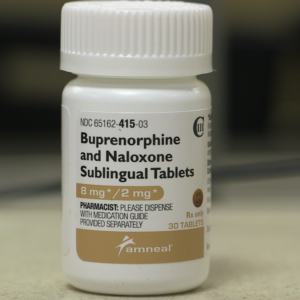
Suboxone (Buprenorphine/Naloxone): Professional Medication Information Guide for Opioid Use Disorder Treatment
Benefits of Suboxone Within a Comprehensive Treatment Program
Suboxone may provide important therapeutic benefits when incorporated into a structured opioid use disorder treatment plan managed by qualified healthcare professionals.
The primary purpose of Suboxone therapy is to help individuals achieve greater stability while addressing opioid dependence through evidence-based medical care.
Potential benefits of medically supervised Suboxone treatment may include:
Reduction of Opioid Withdrawal Symptoms
When individuals reduce or stop opioid use, withdrawal symptoms may occur due to changes in the body’s opioid system. These symptoms can include physical discomfort, cravings, anxiety, restlessness, and other challenges.
Buprenorphine, one of Suboxone’s active ingredients, interacts with opioid receptors in a controlled manner and may help reduce withdrawal symptoms during treatment.
Management of Opioid Cravings
Persistent cravings are one of the major challenges associated with opioid use disorder. By providing partial opioid receptor activity, buprenorphine may help decrease the intensity of cravings and support continued participation in recovery programs.
Every patient responds differently, and healthcare providers evaluate treatment progress individually.
Support for Long-Term Recovery Planning
Suboxone is not intended to replace comprehensive addiction treatment. It is typically used alongside additional recovery services, including counseling, behavioral interventions, and ongoing healthcare support.
A complete treatment approach may help address both the physical and psychological aspects of opioid use disorder.
Safety Information for Suboxone
Because Suboxone contains an opioid medication component, it requires careful medical supervision. Patients should use Suboxone only as prescribed by an authorized healthcare professional.
The prescribing information identifies important safety considerations, including risks related to respiratory depression, interactions with other central nervous system depressants, dependence, and misuse.
Important Safety Considerations
Patients should inform their healthcare provider about:
Healthcare providers use this information to determine whether Suboxone is appropriate and how treatment should be monitored.
Possible Side Effects of Suboxone
Like all prescription medications, Suboxone may cause side effects. The severity and occurrence of side effects can vary between individuals.
Commonly reported effects associated with buprenorphine/naloxone products may include:
Patients should discuss any persistent or concerning symptoms with their healthcare provider.
Some serious reactions require immediate medical attention, including:
Patients should seek emergency medical assistance if severe symptoms occur.
Suboxone and Drug Interactions
Suboxone can interact with other medications and substances. Healthcare providers should review all medicines a patient is taking before beginning treatment.
Important interactions may involve:
Suboxone buprenorphine naloxone
Alcohol
Alcohol may increase the risk of dangerous sedation, breathing problems, and other serious effects when combined with buprenorphine-containing medications.
Suboxone buprenorphine naloxone
Benzodiazepines and Sedatives
Medicines such as benzodiazepines and other central nervous system depressants may increase the risk of respiratory depression when combined with buprenorphine.
Suboxone buprenorphine naloxone
Other Opioids
Using additional opioids without medical guidance may create safety risks and interfere with treatment goals.
Patients should always provide a complete medication list, including:
Proper Use of Suboxone
Suboxone should be taken exactly as directed by the prescribing healthcare provider.
Important principles of responsible medication use include:
Suboxone sublingual film should be administered according to the instructions provided by the healthcare professional and product labeling.
Incorrect use may reduce effectiveness or increase health risks.
Suboxone buprenorphine naloxone
Who May Receive Suboxone Treatment?
Suboxone treatment decisions are made after professional medical evaluation.
Healthcare providers consider factors such as:
Not every person with opioid dependence will receive the same treatment approach. Medical professionals determine the most appropriate option based on individual circumstances.
Suboxone buprenorphine naloxone
The Role of Healthcare Providers in Suboxone Treatment
Successful opioid use disorder treatment requires professional guidance and ongoing monitoring.
Healthcare providers may assist with:
A qualified healthcare team helps ensure that medication use remains safe, appropriate, and aligned with patient needs.
Suboxone buprenorphine naloxone
Frequently Asked Questions About Suboxone
What is Suboxone used for?
Suboxone is a prescription medication containing buprenorphine and naloxone. It is used as part of a complete treatment program for opioid use disorder under medical supervision.
Suboxone buprenorphine naloxone
How does Suboxone work?
Suboxone works primarily through buprenorphine, which partially activates opioid receptors to help reduce withdrawal symptoms and cravings. Naloxone is included to help reduce misuse potential.
Suboxone buprenorphine naloxone
Is Suboxone addictive?
Buprenorphine is an opioid medication and may cause physical dependence. However, when used as prescribed within a structured treatment program, it is considered an evidence-based medication for opioid use disorder management.
Physical dependence and addiction are different medical concepts.
Suboxone buprenorphine naloxone
How long is Suboxone treatment?
The duration of treatment varies depending on individual patient needs, treatment progress, healthcare provider recommendations, and recovery goals.
Some individuals may require longer-term treatment, while others may transition according to a medically supervised plan.
Suboxone buprenorphine naloxone
Can Suboxone be stopped suddenly?
Patients should not stop Suboxone suddenly without medical guidance. Abrupt discontinuation may cause withdrawal symptoms. Healthcare providers can develop an appropriate tapering or transition plan when clinically appropriate.
Suboxone buprenorphine naloxone
Can Suboxone be used without counseling?
Suboxone is generally most effective when combined with comprehensive treatment services, which may include counseling, behavioral support, and recovery planning.
Medication is one component of a broader approach to opioid use disorder care.
Suboxone buprenorphine naloxone
Choosing a Qualified Suboxone Healthcare Provider
Patients seeking Suboxone treatment should select a healthcare provider or treatment center that:
A professional healthcare environment ensures that Suboxone treatment is delivered responsibly and according to accepted medical practices.
Suboxone buprenorphine naloxone
Conclusion
Suboxone (buprenorphine/naloxone) is an important prescription medication used within comprehensive opioid use disorder treatment programs. By combining buprenorphine’s therapeutic effects with naloxone’s misuse-deterrent properties, Suboxone provides healthcare professionals with an evidence-based option for supporting patients managing opioid dependence.
Suboxone buprenorphine naloxone
Effective treatment requires individualized medical assessment, professional monitoring, and integration with broader recovery services. Patients should always consult qualified healthcare providers to determine whether Suboxone is appropriate for their specific medical circumstances.
Suboxone buprenorphine naloxone
For individuals seeking reliable medication information, understanding Suboxone’s uses, benefits, safety considerations, and treatment role is an important step toward informed healthcare decisions.
Suboxone buprenorphine naloxone
| Quantity | 90 Pills, 180 pills, 360 Pills |
|---|
Related Products
Oxycodone
Price range: $285.00 through $1,435.00
Rick Simpson Oil – RSO
Price range: $170.00 through $1,800.00
Ativan (lorazepam)
Price range: $160.00 through $710.00
Reviews
There are no reviews yet.