
 Cart is empty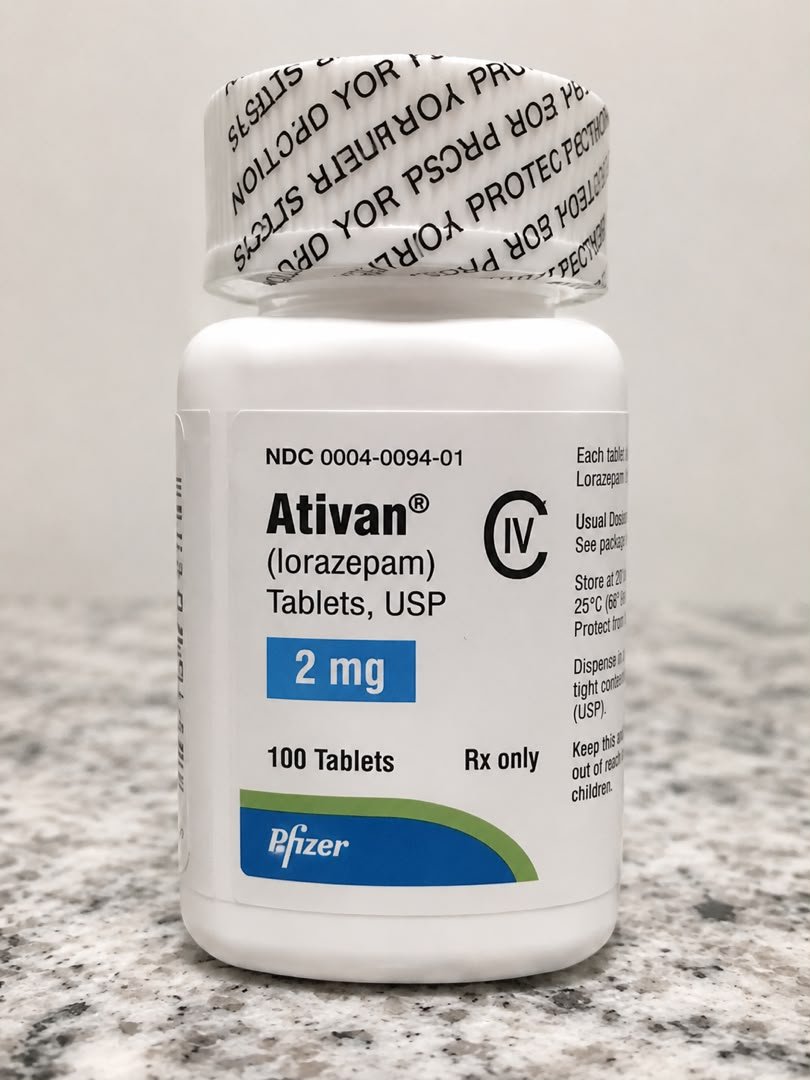
Ativan (lorazepam)
Price range: $160.00 through $710.00
- Anxiety disorders
- Short-term relief of severe anxiety symptoms
- Certain seizure-related emergencies
- Anxiety associated with specific medical conditions
- Reduced anxiety symptoms
- Relaxation
- Decreased nervous system overactivity
- Sedation
- Psychological therapy
- Behavioral strategies
- Lifestyle modifications
- Other medication options
- Excessive worry
- Restlessness
- Nervousness
- Physical tension
- Difficulty relaxing
- Sleep disruption
- Symptom severity
- Patient history
- Previous treatment response
- Risk factors
- Counseling
- Cognitive behavioral therapy
- Stress management techniques
- Long-term medication strategies when appropriate
- Medical condition being treated
- Patient age
- Overall health
- Other medications
- Treatment response
- Increase their dose without medical approval
- Share medication
- Combine Ativan with other sedating substances without professional guidance
- Increased anxiety
- Sleep difficulties
- Irritability
- Restlessness
- Physical discomfort
- Drowsiness
- Slower reaction time
- Reduced coordination
- Impaired judgment
- Drowsiness
- Dizziness
- Weakness
- Fatigue
- Reduced coordination
- Memory difficulties
- Confusion
- Severe sedation
- Breathing difficulties
- Allergic reactions
- Significant behavioral changes
- Sleep medications
- Muscle relaxants
- Certain anxiety medications
- Sedating antihistamines. Ativan lorazepam
- Following prescribed instructions
- Using only the recommended dose
- Attending medical follow-ups
- Avoiding alcohol unless approved by a healthcare professional
- Storing medication securely
- Mental health assessment
- Medical history review
- Current medication review
- Previous treatment evaluation
- Risk assessment
- Anxiety evaluation
- Medication assessment
- Prescription management
- Treatment monitoring
- Follow-up care
- Healthcare provider evaluation
- Prescription requirements
- Regional regulations
- Pharmacy and healthcare system processes
Ativan (Lorazepam): Complete Medication Information Guide for Anxiety Treatment and Professional Care
Introduction to Ativan (Lorazepam)
Ativan is the brand name for lorazepam, a prescription medication belonging to the benzodiazepine class. It is commonly prescribed for the short-term management of anxiety disorders and may also be used in specific medical situations requiring rapid control of nervous system activity.
Lorazepam works by enhancing the effects of gamma-aminobutyric acid (GABA), a naturally occurring neurotransmitter that helps regulate activity within the central nervous system.
By increasing GABA activity, Ativan may help reduce excessive nervous system stimulation associated with anxiety, agitation, and certain neurological conditions.
Because Ativan is a controlled prescription medication, treatment should always be guided by a qualified healthcare professional. Proper evaluation, monitoring, and individualized treatment planning are essential for safe use.
What Is Ativan Lorazepam?
Ativan contains the active ingredient Ativan lorazepam, a benzodiazepine medication available in tablet and injectable formulations.
lorazepam belongs to a group of medications known as central nervous system depressants. These medications affect brain activity and may produce calming, relaxing, and sedative effects.
Ativan lorazepam may be prescribed for:
The appropriate use of Ativan depends on individual health factors, diagnosis, medical history, and treatment objectives.
How Ativan Works
Ativan works primarily by increasing the activity of GABA within the brain.
GABA helps control communication between nerve cells. When GABA activity increases, the nervous system may become less active, producing effects such as:
Ativan does not treat the underlying causes of anxiety. Instead, it helps manage symptoms while healthcare providers address broader treatment needs.
Long-term anxiety management may also include:
Medical Uses of Ativan
Anxiety Disorders
Ativan is commonly prescribed for anxiety symptoms when a healthcare professional determines that benzodiazepine therapy is appropriate.
Anxiety disorders may involve:
Healthcare providers evaluate symptoms, severity, and overall health before recommending treatment.
Panic and Severe Anxiety Symptoms
In some cases, lorazepam may be used to help manage episodes of intense anxiety or panic symptoms.
Treatment decisions depend on:
Medical and Neurological Uses
Ativan may also be used in healthcare settings for certain medical situations, including seizure emergencies and acute agitation, under professional supervision.
Benefits of Ativan Treatment
When prescribed appropriately, Ativan may provide therapeutic benefits for eligible patients.
Anxiety Symptom Relief
Ativan may help reduce excessive anxiety and nervous system overactivity.
Rapid Onset of Action
Benzodiazepines such as lorazepam may have relatively rapid effects compared with some long-term anxiety medications.
Short-Term Symptom Management
Healthcare providers may use Ativan as part of a broader treatment approach while addressing the underlying condition.
A complete anxiety management plan may include:
Ativan Dosage and Treatment Information
Ativan dosage varies depending on:
Healthcare providers determine the appropriate dose and duration of treatment.
Patients should never:
Important Safety Information About Ativan
Because lorazepam affects the central nervous system, careful medical supervision is required.
Dependence and Withdrawal Risk
Ativan may cause physical dependence, especially with prolonged use or higher doses.
Sudden discontinuation may lead to withdrawal symptoms.
Possible withdrawal effects include:
Healthcare providers typically create individualized plans when reducing or discontinuing treatment.
Sedation and Impairment
lorazepam may cause:
Patients should understand how the medication affects them before performing activities requiring alertness. Ativan lorazepam
Respiratory Depression Risk
Combining Ativan with certain substances, especially opioid medications or alcohol, may increase the risk of serious breathing problems.
Patients should always inform healthcare providers about all medications and substances they use.
Possible Side Effects of Ativan
Like all prescription medications, Ativan may cause side effects.
Common side effects may include:
Some individuals may experience more serious reactions, including:
Patients should contact healthcare professionals regarding concerning symptoms.
Ativan lorazepam Drug Interactions
Before starting Ativan, patients should provide a complete list of medications and supplements.
Important interactions may include:
Alcohol
Alcohol can increase sedative effects and may create dangerous complications when combined with Ativan.
Opioid Medications
Combining benzodiazepines with opioids may increase risks of respiratory depression and excessive sedation.
Other Sedatives
Additional medications that slow nervous system activity may increase Ativan effects.
These may include:
Proper Use of Ativan
Ativan should be taken exactly as prescribed by a healthcare provider.
Responsible use includes:
Patients should not stop lorazepam suddenly without medical guidance.
Who May Need Ativan Treatment?
Healthcare providers may consider Ativan for individuals diagnosed with specific anxiety-related conditions or other approved medical indications.
Evaluation may include:
Not everyone experiencing anxiety requires benzodiazepine treatment.
Finding Professional Ativan Treatment Support
Patients seeking Ativan-related healthcare guidance should work with qualified medical professionals who can provide:
A professional healthcare center can help patients understand whether lorazepam is appropriate within their overall treatment plan. Ativan lorazepam
Ativan Prescription and Availability Information
Ativan is a prescription medication and availability depends on:
Patients should obtain lorazepam only through legitimate healthcare channels. Ativan lorazepam
Frequently Asked Questions About Ativan (Lorazepam)
What is Ativan used for?
Ativan is a prescription benzodiazepine medication used primarily for anxiety disorders and certain medically supervised conditions.
What is the active ingredient in Ativan?
The active ingredient in Ativan is lorazepam.
How does Ativan work?
Ativan works by increasing GABA activity in the brain, helping reduce excessive nervous system activity.
Is Ativan a benzodiazepine?
Yes. Ativan belongs to the benzodiazepine class of medications.
Can Ativan cause dependence?
Yes. lorazepam may cause physical dependence and should only be used according to healthcare provider instructions.
Can Ativan be stopped suddenly?
Patients should consult their healthcare provider before stopping Ativan because sudden discontinuation may cause withdrawal symptoms.
Can Ativan be taken with alcohol?
Alcohol may increase the risks associated with lorazepam and should be avoided unless specifically discussed with a healthcare professional.
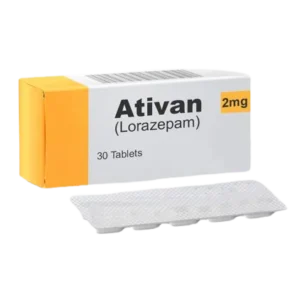
Ativan is a prescription medication belonging to the benzodiazepine class. It is primarily used for the management of anxiety disorders and may also have sedative effects. Lorazepam works by enhancing the activity of certain neurotransmitters in the brain, producing a calming effect.
Ativan is intended for use under the supervision of a qualified healthcare professional. Treatment should be individualized according to the patient’s condition, medical history, and other medications being taken.
Because lorazepam can cause drowsiness, impaired coordination, physical dependence, misuse, and addiction, it should be used carefully and only as prescribed. The FDA specifically warns that combining benzodiazepines such as lorazepam with opioids can cause profound sedation, respiratory depression, coma, and death. Ativan lorazepam
Important: Ativan lorazepam is a prescription controlled medication. Do not share it with others or use it without appropriate medical supervision. Do not stop long-term lorazepam treatment abruptly, as withdrawal reactions can be serious or potentially life-threatening.
| Counts | 30 Tabs, 60 Tabs, 90 Tabs, 120 Tabs, 240 Tabs |
|---|
2 reviews for Ativan (lorazepam)
Related Products
Oxycodone
Price range: $285.00 through $1,435.00
ketamine Vials
Price range: $260.00 through $1,100.00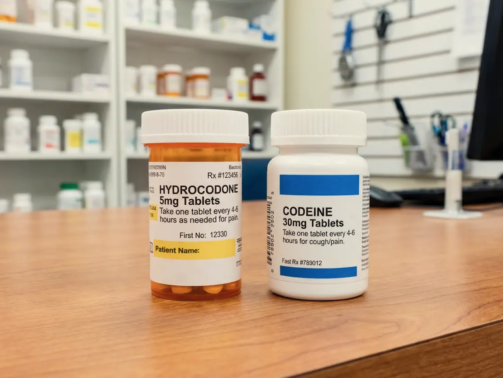
Hydrocodone
Price range: $260.00 through $1,200.00
Anonymous –
I wonder if there’s any reason why the same can’t be said for simply staying up later? If it’s about time to do nothing, or to exercise, or to be bored, you would assume the same can be achieved at 1am when you haven’t slept yet as it can at 5am when you’ve just gotten up.
Anonymous –
Quisque lacinia, purus non porta malesuada, lectus tortor iaculis odio, nec laoreet massa dui sit amet elit. Sed tempus bibendum nisi eget vehicula. Maecenas quis leo eu augue faucibus aliquam.
Anonymous –
I am so happy, my dear friend, so absorbed in the exquisite sense of mere tranquil existence, that I neglect my talents. I should be incapable of drawing a single stroke at the present moment; and yet I feel that I never was a greater artist than now.