
 Cart is empty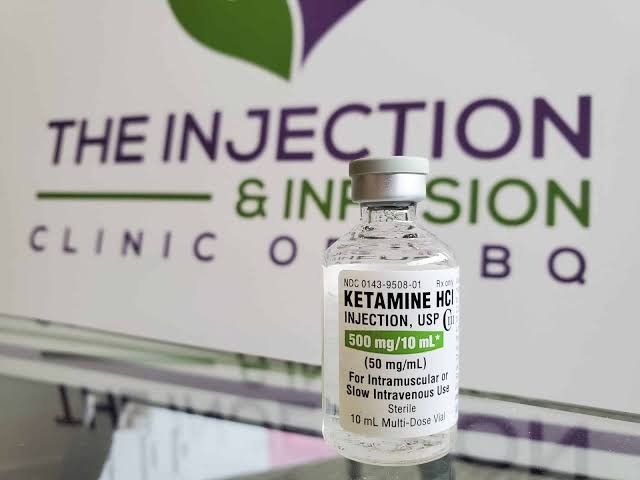
ketamine Vials
Price range: $260.00 through $1,100.00
- General anesthesia
- Procedural sedation
- Pain management applications
- Certain specialized mental health treatment programs under medical supervision
- Concentration
- Manufacturer
- Formulation
- Intended clinical application
- Regulatory approval
- Anesthetic effects
- Analgesic effects
- Sedative properties
- Dissociative effects
- Learning
- Memory
- Neural communication
- Pain processing
- Reduced awareness of pain
- Altered perception
- Sedation
- Dissociation
- Anesthesia
- Patient characteristics
- Medical condition
- Administration method
- Clinical environment
- Procedure type
- Patient condition
- Medical history
- Monitoring capability
- Diagnosis
- Previous treatments
- Patient risk factors
- Specialist evaluation
- Active ingredient concentration
- Sterile injectable formulation
- Storage requirements
- Manufacturer information
- Expiration date
- Packaging specifications
- Blood pressure
- Heart rate
- Cardiovascular activity
- Drowsiness
- Altered perception
- Confusion
- Dissociation
- Nausea
- Vomiting
- Dizziness
- Increased blood pressure
- Increased heart rate
- Confusion
- Hallucinations
- Drowsiness
- Dissociative sensations
- Prescription medications
- Sedatives
- Alcohol use
- Recreational substances
- Mental health medications
- Medical history
- Current health conditions
- Medications
- Treatment goals
- Potential risks and benefits
- Temperature-controlled storage
- Sterility maintenance
- Inventory management
- Controlled medication procedures
- Expiration monitoring
- Licensed healthcare professionals
- Appropriate clinical facilities
- Qualified medical supervision
- Patient assessment procedures
- Safety monitoring protocols
Ketamine Vials: Complete Medical Information Guide for Ketamine Injection, Uses, Safety and Clinical Applications
Introduction to Ketamine Vials
Ketamine vials contain ketamine hydrochloride, a prescription medication used primarily as an anesthetic agent in medical and surgical settings. Ketamine has been used in healthcare for decades because of its unique pharmacological properties and its ability to produce anesthesia, sedation, and analgesic effects under professional supervision.
Ketamine injection solutions are commonly supplied in sterile vial formulations intended for administration by qualified healthcare professionals.
Depending on the clinical situation, ketamine may be used in areas such as:
Ketamine treatment requires careful patient assessment, appropriate monitoring, and professional administration due to its effects on the central nervous system.
What Are Ketamine Vials?
Ketamine vials are sterile pharmaceutical containers containing ketamine hydrochloride injection solution.
The medication belongs to a class known as dissociative anesthetics. Unlike traditional anesthetics that primarily work through different mechanisms, ketamine produces its effects mainly through modulation of the brain’s glutamate system, particularly through N-methyl-D-aspartate (NMDA) receptor activity.
Ketamine injection products may vary according to:
Healthcare professionals select appropriate formulations according to patient needs and medical requirements.
Active Ingredient: Ketamine Hydrochloride
The active pharmaceutical ingredient in ketamine vials is:
Ketamine hydrochloride
Ketamine hydrochloride is a water-soluble salt formulation designed for injectable medical use.
The medication produces several pharmacological effects, including:
Because ketamine affects the central nervous system, administration requires trained medical supervision.
How Ketamine Works
Ketamine has a unique mechanism of action compared with many other anesthetic medications.
Its primary pharmacological activity involves blocking NMDA receptors, which are involved in glutamate signaling within the brain and nervous system.
Glutamate plays roles in:
Through its effects on these pathways, ketamine can produce:
The exact response to ketamine varies depending on:
Medical Uses of Ketamine Vials
Anesthesia
Ketamine is widely recognized as a medical anesthetic used during procedures requiring sedation or anesthesia.
Healthcare professionals may use ketamine when appropriate based on:
Procedural Sedation
Ketamine may be used in controlled clinical environments for procedural sedation.
Examples may include situations where maintaining certain protective reflexes is clinically important.
Pain Management Applications
Ketamine has been studied and used in specialized medical settings for certain pain management approaches.
Pain treatment decisions depend on:
Mental Health Research and Clinical Applications
Ketamine has received increasing attention in mental health research, particularly related to treatment-resistant depression.
Certain ketamine-based therapies may be provided only through qualified healthcare programs following appropriate evaluation.
Patients should receive treatment from licensed professionals following applicable regulations.
Benefits of Professionally Supervised Ketamine Treatment
When used appropriately in a clinical setting, ketamine may provide specific medical benefits.
Potential clinical advantages include:
Rapid Anesthetic Effect
Ketamine can produce relatively rapid anesthetic effects, making it useful in certain medical situations.
Pain-Modulating Properties
Ketamine affects pain pathways and may provide analgesic effects in selected clinical circumstances.
Alternative Treatment Options
In specialized settings, ketamine-based approaches may provide additional options for patients who meet appropriate medical criteria.
Healthcare providers determine whether ketamine is suitable based on individual evaluation.
Ketamine Vial Formulations and Product Information
Ketamine injection products are available in different concentrations and vial sizes.
Important product details may include:
Healthcare facilities should verify product information through approved pharmaceutical documentation.
Safety Information for Ketamine Injection
Ketamine requires professional medical oversight because it can significantly affect consciousness, perception, and cardiovascular function.
Important safety considerations include:
Cardiovascular Effects
Ketamine may influence:
Healthcare providers monitor patients according to clinical requirements.
Central Nervous System Effects
Ketamine may cause:
Patients require appropriate observation after administration.
Respiratory Considerations
Although ketamine may preserve certain respiratory reflexes better than some other anesthetics, respiratory monitoring remains important.
Possible Side Effects of Ketamine
Possible effects associated with ketamine administration may include:
Healthcare professionals monitor patients and manage adverse effects when necessary.
Ketamine Drug Interactions
Ketamine may interact with other medications and substances.
Healthcare providers should review:
Potential interaction concerns may involve increased sedation or altered nervous system effects.
Who Should Receive Ketamine Treatment?
Ketamine use should be determined through professional medical evaluation.
Healthcare providers consider:
Ketamine is not appropriate for everyone.
A qualified healthcare professional determines whether ketamine treatment is suitable.
Storage and Handling of Ketamine Vials
Ketamine injection products require appropriate pharmaceutical handling.
Healthcare facilities typically follow requirements related to:
Proper storage helps maintain product integrity and patient safety.
Choosing a Reliable Ketamine Healthcare Provider
Organizations providing ketamine-related medical services should prioritize:
Professional healthcare standards are essential when working with prescription medications.
Frequently Asked Questions About Ketamine Vials
What are ketamine vials used for?
Ketamine vials contain injectable ketamine hydrochloride used primarily for anesthesia, sedation, and certain specialized medical applications under professional supervision.
Is ketamine a prescription medication?
Yes. Ketamine is a prescription medication requiring authorized medical use.
How does ketamine work?
Ketamine primarily works by affecting NMDA receptors and glutamate signaling in the nervous system.
Is ketamine used for anesthesia?
Yes. Ketamine has a long history of use as an anesthetic medication.
Can ketamine be used for mental health treatment?
Certain ketamine-based therapies are used in specialized medical settings for selected patients under professional supervision.
Is ketamine safe?
Ketamine can be safely administered when appropriate patients are selected and proper medical monitoring is provided.
What is ketamine hydrochloride?
Ketamine hydrochloride is the pharmaceutical form of ketamine used in injectable medical products.
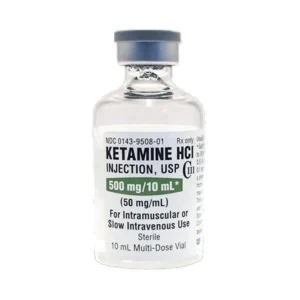
Ketamine is a prescription medication with anesthetic and analgesic properties. Ketamine injection is primarily used by qualified healthcare professionals for induction and maintenance of general anesthesia and may have other specialist medical applications depending on the patient’s condition.
Ketamine works primarily through modulation of NMDA receptors in the central nervous system, producing anesthetic and analgesic effects. Injectable ketamine requires appropriate clinical assessment, monitoring, and administration by trained medical professionals.
Potential adverse effects can include increased blood pressure and heart rate, nausea, dizziness, drowsiness, changes in perception, and emergence reactions. Ketamine also carries risks associated with misuse and inappropriate use.
Important: Ketamine vials are intended for appropriate medical use under the supervision of qualified healthcare professionals. They should not be self-administered or used without appropriate medical evaluation and monitoring.
| Quantity | 10 mg/mL ( 10 ml or 20 ml Vials), 50 mg/mL ( 10 ml Vials), 100 mg/mL ( 5 ml Vials), Esketamine (Spravato) 56mg Dose, Esketamine (Spravato) 84mg Dose, Compounded Intranasal Ketamine |
|---|
Related Products

Cannabidiol CBD
Price range: $100.00 through $130.00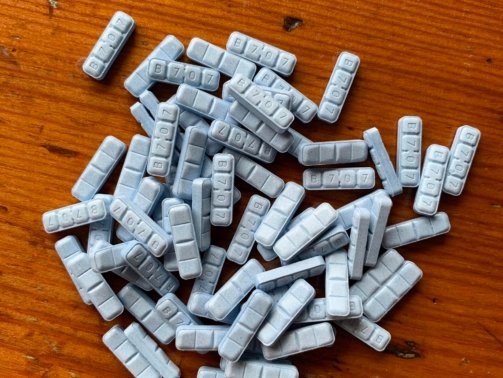
Xanax B707
Price range: $210.00 through $1,200.00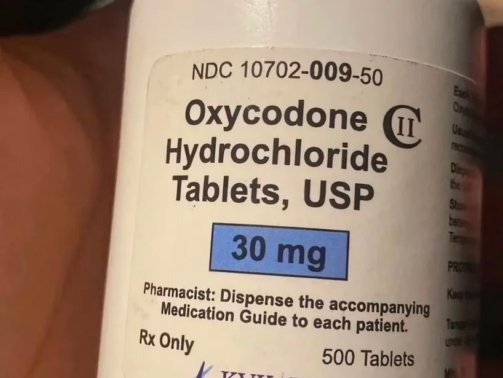
Oxycodone
Price range: $285.00 through $1,435.00
Reviews
There are no reviews yet.