
 Cart is empty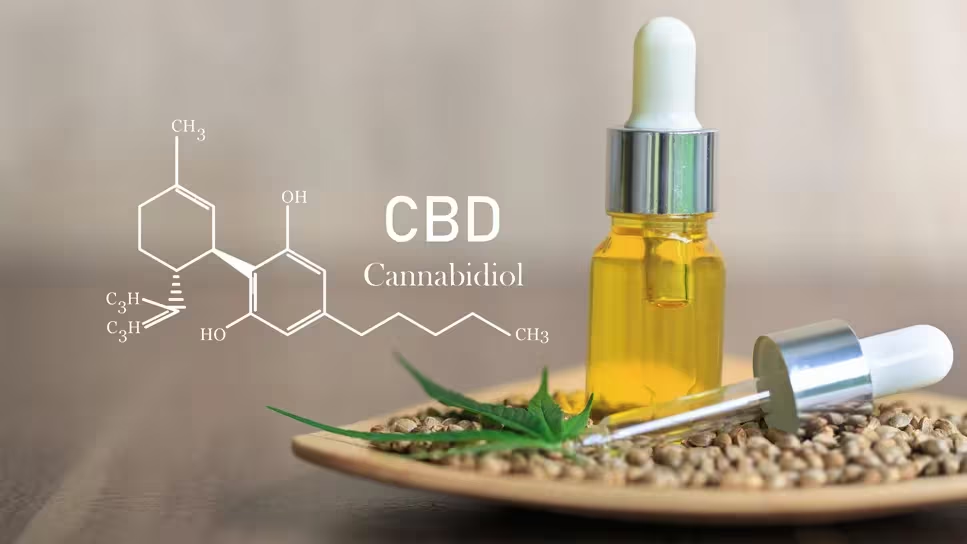
Cannabidiol CBD
$100.00 – $130.00Price range: $100.00 through $130.00
- CBD oils
- CBD capsules
- CBD gummies
- CBD topical products
- CBD creams
- CBD tinctures
- CBD extracts
- Extraction method
- Cannabinoid concentration
- Plant source
- Manufacturing standards
- Testing procedures
- Additional ingredients
- Hemp seed oil
- MCT oil
- Olive oil
- Mood regulation
- Sleep cycles
- Stress response
- Immune system activity
- Pain perception
- Appetite regulation
- Cannabinoid receptors
- Serotonin pathways
- Enzyme activity
- Neurochemical signaling
- Individual body chemistry
- Product concentration
- Frequency of use
- Method of administration
- Overall health factors
- Supporting relaxation
- Promoting a balanced lifestyle
- Managing everyday stress
- Supporting healthy routines
- Lifestyle habits
- Stress levels
- Environment
- Physical health
- Exercise
- Proper nutrition
- Hydration
- Rest and recovery strategies
- Contains multiple hemp compounds
- Maintains natural plant profile
- Often preferred by consumers seeking whole-plant extracts
- Contains various cannabinoids
- THC-free formulation
- Suitable for consumers avoiding THC
- Contains CBD only
- No THC
- Simple cannabinoid profile
- CBD concentration
- THC levels
- Contaminant screening
- Product purity
- CBD amount per serving
- Total cannabinoid content
- Ingredients
- Manufacturer information
- CO₂ extraction
- Ethanol extraction
- Other controlled extraction technologies
- Dry mouth
- Fatigue
- Changes in appetite
- Digestive discomfort
- Drowsiness
- Take prescription medications
- Have existing medical conditions
- Are pregnant or breastfeeding
- Have concerns about interactions
- Blood-thinning medications
- Heart medications
- Anti-seizure medications
- Sedatives
- Other prescription drugs
- Brand transparency
- Laboratory reports
- Ingredient quality
- Manufacturing practices
- Customer education resources
- Accurate product information
- Clear labeling
- Safety education
- Regulatory compliance
Cannabidiol (CBD): Complete Guide to CBD Oil, Benefits, Uses, Safety and Product Information
Introduction to Cannabidiol (CBD)
Cannabidiol, commonly known as CBD, is a naturally occurring cannabinoid compound derived from the cannabis plant. Unlike tetrahydrocannabinol (THC), CBD does not produce the same intoxicating effects commonly associated with cannabis because it does not significantly activate the brain receptors responsible for the “high” sensation.
CBD has gained worldwide attention as a popular wellness ingredient used in a variety of products, including:
Consumers, healthcare professionals, and researchers continue to study cannabidiol because of its interaction with the body’s endocannabinoid system and its potential role in supporting overall wellness.
CBD products vary significantly depending on:
Choosing a high-quality CBD product requires understanding CBD formulation, product labeling, safety considerations, and responsible usage.
What Is Cannabidiol (CBD)?
Cannabidiol is one of more than 100 naturally occurring cannabinoids found in cannabis plants.
Unlike THC, CBD is considered non-intoxicating, meaning it does not typically create the psychoactive effects associated with marijuana.
CBD is commonly extracted from hemp plants, which are cannabis varieties cultivated to contain very low levels of THC according to applicable regulations.
Cannabidiol products may be available in several forms, including:
CBD Oil
CBD oil is one of the most popular cannabidiol formats. It typically combines CBD extract with a carrier oil such as:
CBD oils are commonly used because they allow flexible serving sizes and convenient administration.
CBD Capsules
CBD capsules provide a measured amount of cannabidiol in each serving and are often preferred by individuals who want a simple, consistent format.
CBD Gummies
CBD gummies combine cannabidiol extract with edible ingredients, offering a convenient option for consumers who prefer flavored products.
CBD Topicals
CBD creams, balms, and lotions are applied externally and are commonly used as part of personal wellness routines.
How CBD Works in the Body
CBD interacts with the body’s endocannabinoid system (ECS), a biological system involved in maintaining balance within several physiological processes.
The endocannabinoid system is associated with:
Unlike THC, CBD does not primarily work by directly activating cannabinoid receptors in the same way. Instead, researchers believe CBD influences multiple biological pathways.
Scientific research continues to explore how CBD interacts with:
The effects of CBD may vary depending on:
Potential Benefits and Uses of CBD
CBD has become popular among consumers interested in natural wellness products.
Research into cannabidiol is ongoing, and some areas of interest include:
Wellness and Daily Balance
Many consumers use CBD products as part of their general wellness routines.
Common reasons people explore CBD include:
Sleep Support
CBD is often researched and used by individuals interested in sleep wellness.
Sleep quality can be influenced by many factors, including:
CBD may be one component of a broader approach to healthy sleep practices.
Exercise and Recovery Wellness
Some individuals use CBD products as part of fitness and recovery routines.
CBD is commonly incorporated into wellness practices alongside:
Medical Research Applications
CBD continues to be studied for potential therapeutic applications.
One FDA-approved CBD medication exists for specific seizure disorders, but many commercial CBD products are not approved medications and should not be marketed as treatments for diseases without regulatory approval.
Types of CBD Products
Understanding CBD product categories helps consumers choose products that match their preferences.
Full-Spectrum CBD
Full-spectrum CBD contains multiple naturally occurring hemp compounds, including cannabinoids and terpenes.
It may contain trace amounts of THC within legally permitted limits.
Potential characteristics:
Broad-Spectrum CBD
Broad-spectrum CBD contains multiple cannabis compounds but is processed to remove THC.
Potential characteristics:
CBD Isolate
CBD isolate contains purified cannabidiol without other cannabinoids.
Potential characteristics:
How to Choose a Quality CBD Product
The CBD market contains many different products, making quality evaluation important.
Consumers should consider:
Third-Party Laboratory Testing
Reliable CBD companies often provide certificates of analysis (COAs) from independent laboratories.
Testing may confirm:
Transparent Labeling
Quality CBD products should clearly identify:
Extraction Methods
CBD extraction methods influence product quality.
Common extraction approaches include:
Manufacturing Standards
Consumers should consider whether products are manufactured according to appropriate quality practices.
CBD Safety Information
Although CBD is generally considered well tolerated by many users, it may cause side effects in some individuals.
Possible side effects may include:
Individuals should consult healthcare professionals before using CBD, especially if they:
CBD Drug Interactions
CBD may influence how the body processes certain medications.
Individuals should speak with healthcare providers before using CBD alongside:
Healthcare professionals can provide guidance based on individual medical history.
CBD Product Quality and Responsible Purchasing
When researching CBD products, consumers should evaluate:
A responsible CBD provider should prioritize:
Cannabidiol CBD Frequently Asked Questions
What is cannabidiol (CBD)?
Cannabidiol (CBD) is a naturally occurring cannabinoid found in hemp and cannabis plants. It is commonly used in wellness products and studied for various potential applications.
Does CBD make you high?
No. CBD does not typically produce the intoxicating effects associated with THC.
What is CBD oil used for?
CBD oil is commonly used as a wellness product and is researched for potential roles in areas such as relaxation, sleep support, and general wellbeing.
Is CBD legal?
CBD legality depends on local regulations, THC content requirements, and applicable laws.
What is the difference between CBD and THC?
CBD and THC are both cannabinoids, but THC produces intoxicating effects while CBD generally does not.
How do I choose the best CBD product?
Consumers should consider CBD concentration, laboratory testing, ingredients, extraction methods, and manufacturer transparency.
Does CBD have side effects?
Some individuals may experience side effects such as fatigue, digestive changes, or dry mouth.
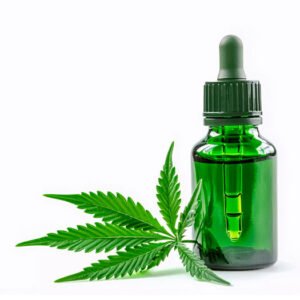
Cannabidiol (CBD) is a naturally occurring cannabinoid found in the cannabis plant. Unlike THC, CBD is not generally associated with the intoxicating “high” produced by THC. CBD is available in various formulations, including oils, capsules, creams, and other products.
CBD products are commonly researched for their potential relationship with areas such as pain, sleep, and anxiety. However, evidence varies considerably depending on the condition and product, and CBD should not be promoted as a proven cure or treatment for medical conditions without appropriate clinical evidence.
CBD may cause side effects such as drowsiness, gastrointestinal discomfort, and changes in appetite, and it can interact with certain medications. The FDA also warns about potential liver-related risks and uncertainties regarding the quality and safety of many commercially available CBD products.
Important: CBD products are not automatically risk-free because they are plant-derived. Individuals taking prescription medications, pregnant or breastfeeding, or managing an underlying health condition should consult a qualified healthcare professional before using CBD.
| Bottles | 50 (7), 75 (7ml) |
|---|
1 review for Cannabidiol CBD
Related Products
Anonymous –
What are the best tools for storing and using bitcoin today?Even if you don’t want to store any of your bitcoin on an exchange long-term, you’ll are mining it yourself). And even if you trust an exchange to store your bitcoin . , you’ll probably still want to keep some Bitcoin in a reliable bitcoin software wallet for making bitcoin purchases. Exchanges often take a couple of hours to batch and broadcast outgoing payments.