Oxys

Oxycodone for Pain: What Patients Should Know Before Treatment

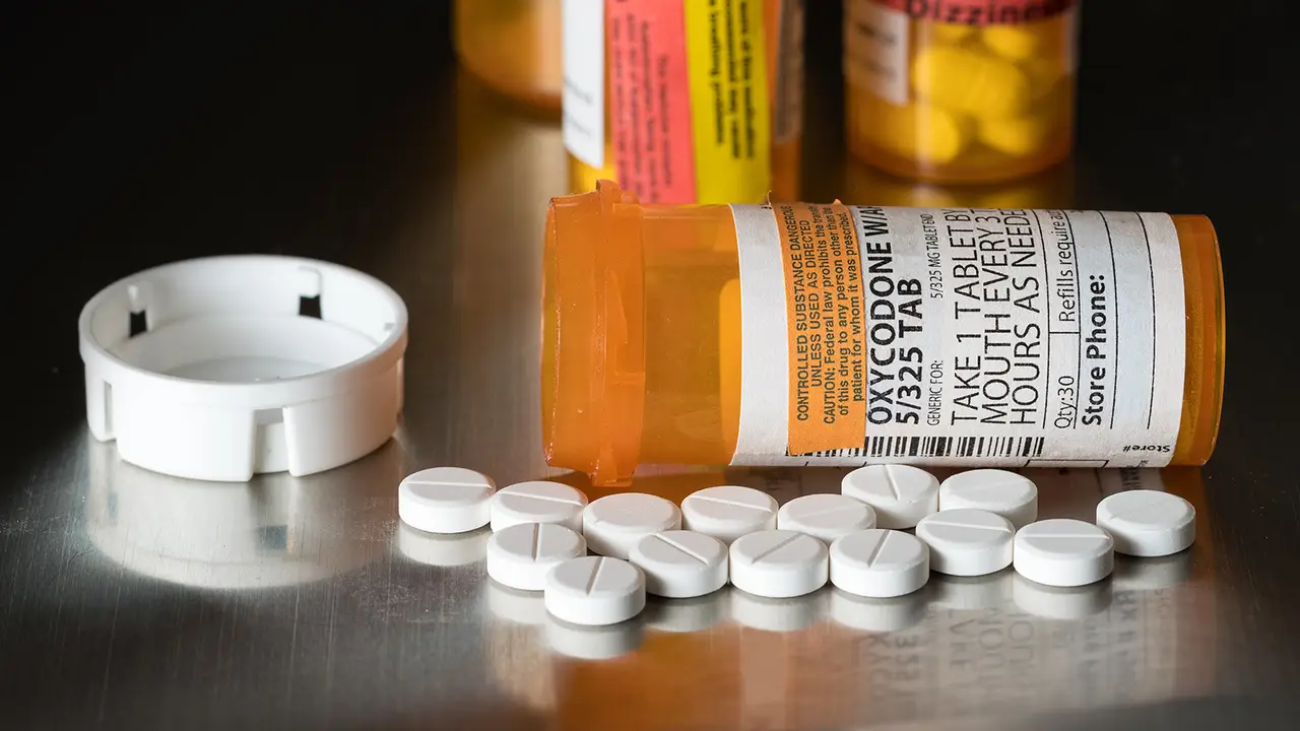
Oxycodone is a prescription opioid analgesic used for certain types of pain. It can be effective, but it requires careful medical supervision because of its potential for misuse, dependence, overdose and respiratory depression.

How Does Oxycodone Work?

Oxycodone acts on opioid receptors in the central nervous system, changing how the body perceives and responds to pain.

When Might It Be Prescribed?

A healthcare professional may consider oxycodone when pain is significant enough to warrant an opioid and alternative treatments are inadequate.

Common Side Effects

Possible side effects include:

  • Drowsiness
  • Dizziness
  • Nausea
  • Vomiting
  • Constipation
  • Slowed breathing

Why Medical Supervision Matters

Oxycodone should not be shared or used outside the prescription instructions. FDA recommends secure storage and appropriate disposal of unused opioid medication.

Patients should also ask their healthcare professional whether naloxone is appropriate, particularly when overdose risk is elevated.

Anti

How Long Do Antidepressants Take to Work?

One of the most common questions after starting an antidepressant is whether it should already be working.

Antidepressants generally don’t provide immediate relief. NIMH explains that they commonly take around 4–8 weeks to work, although individual experiences vary.

What Can Improve First?

Some people may notice improvements in:

  • Sleep
  • Appetite
  • Energy
  • Concentration

before they notice a significant improvement in mood.

What If It Isn’t Working?

Don’t change the dose or discontinue treatment independently. Your healthcare professional may evaluate:

  • The amount of time you’ve taken it
  • Your symptoms
  • Side effects
  • Other medicines
  • Whether another treatment would be appropriate

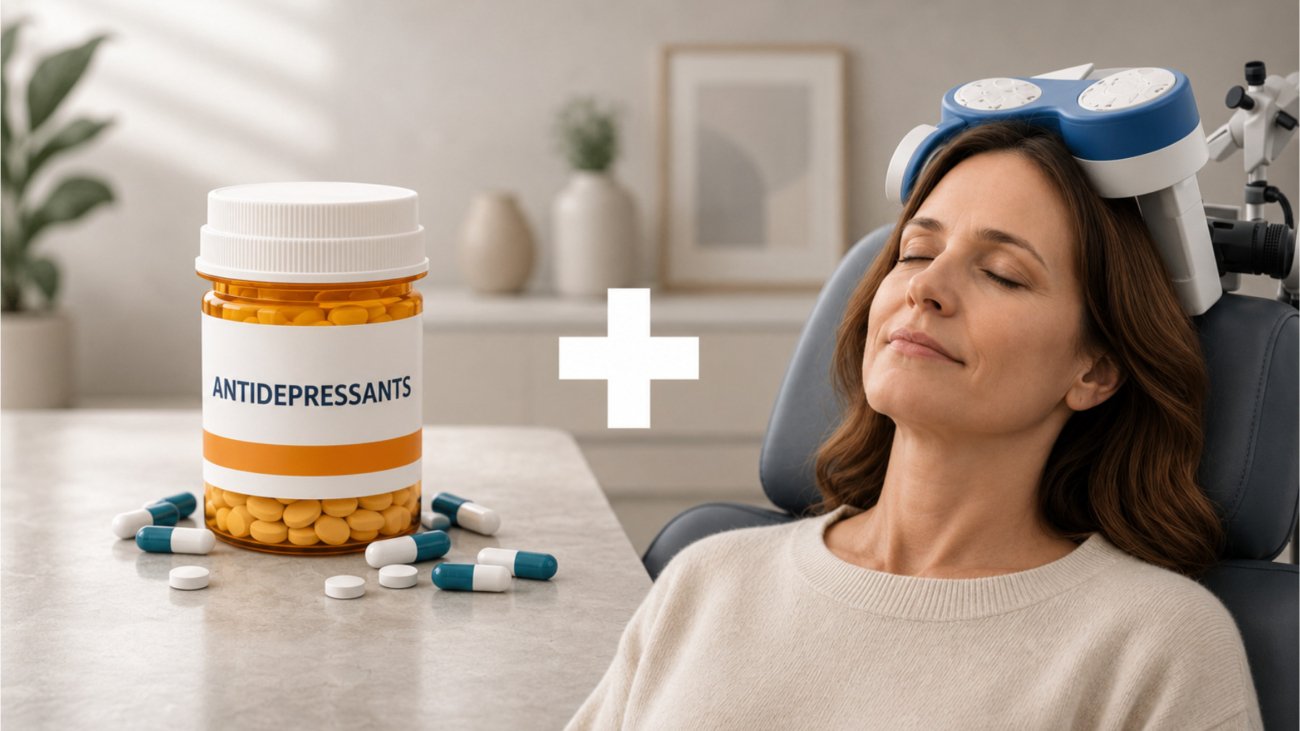
Depression treatment can involve psychotherapy, medication or both.

Thes

Antidepressants vs Therapy: Understanding Depression Treatment Options

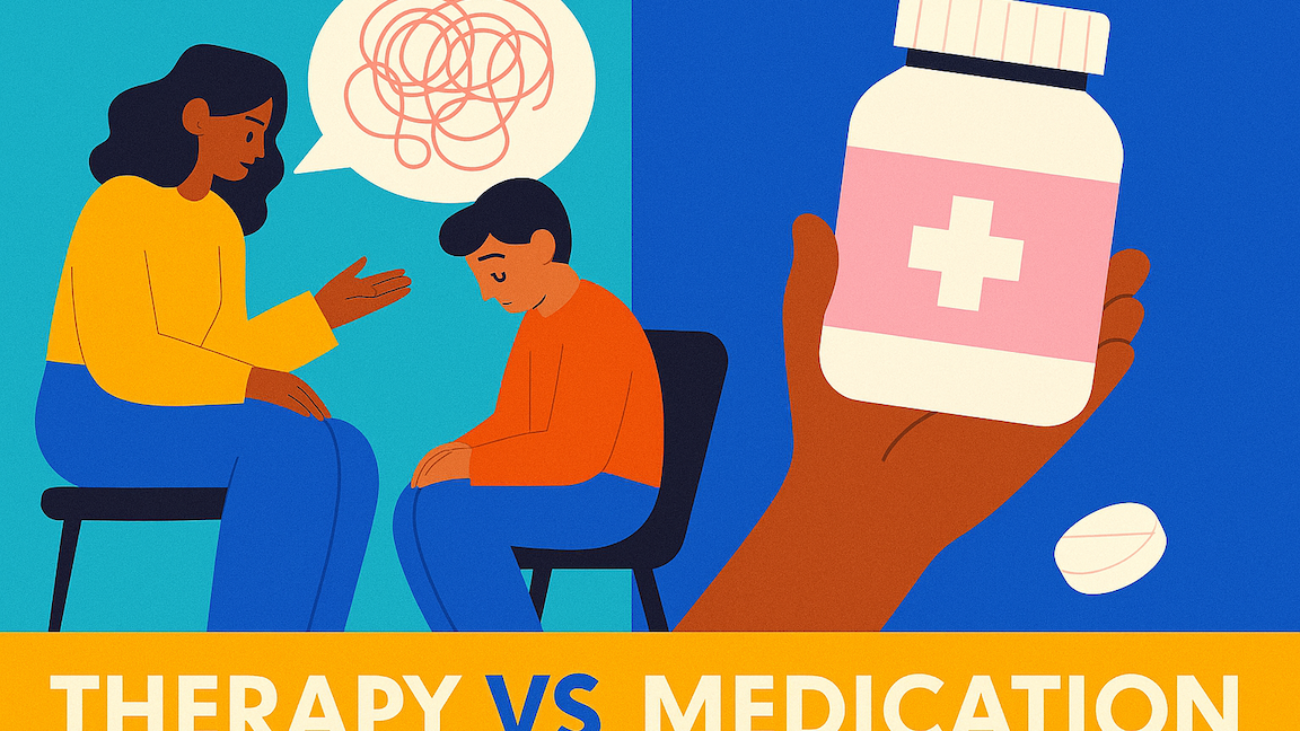
Depression treatment isn’t necessarily a choice between medication and psychotherapy. Depending on the person’s situation, both may have a role.

NIMH identifies psychotherapy, medication or a combination of both as common approaches to depression treatment.

Medication

Antidepressants can help reduce symptoms for many people.

Psychotherapy

Evidence-based therapies such as cognitive behavioral therapy can help people identify and change unhelpful thought and behavior patterns.

Which Is Better?

There isn’t one universally best treatment. Treatment should be individualized according to symptoms, severity, preferences, health history and professional assessment.

The

What to Know Before Starting an Antidepressant Medication

Before starting an antidepressant, patients should understand what the medicine is intended to treat, how long it may take to work, possible side effects and potential interactions.

Tell your healthcare provider about:

  • Prescription medicines
  • OTC medicines
  • Vitamins
  • Herbal products
  • Supplements
  • Previous medication reactions

FDA specifically advises patients to discuss other medicines and supplements because interactions can occur.

Antidepressant treatment also requires monitoring for changes in mood and behavior, particularly after starting treatment or changing the dose.

CBDS

How to Choose CBD Oil: What to Look for in a Quality Product

The growing CBD market means consumers may encounter products with significant differences in labeling, formulation and quality.

Check the Label

Look for:

  • Amount of CBD per serving
  • Ingredient list
  • Manufacturer information
  • Batch information
  • Appropriate testing documentation
  • Clear THC information where applicable

Be Careful With Medical Claims

A product claiming to “cure anxiety,” “cure depression” or “replace prescription medication” should be approached cautiously.

FDA has specifically warned about CBD products being marketed with unproven medical claims and unknown quality.

Ask a Healthcare Professional

CBD can interact with other medicines, so professional guidance is particularly important for people taking prescription medications.

CBB

CBD for Pain Relief: What Does the Research Actually Say?

CBD is frequently discussed as a potential approach to pain management, but consumers should distinguish scientific evidence from marketing claims.

Research into cannabis-derived products and pain has produced mixed and condition-specific findings. NCCIH notes that some cannabis products have shown potential short-term effects in certain chronic pain settings, while side effects and uncertainties remain.

CBD Is Not a Universal Pain Treatment

Pain has many causes.

For example:

  • Back pain
  • Arthritis
  • Nerve pain
  • Injury-related pain
  • Headaches

may require completely different approaches.

Talk to a Professional

People with persistent pain should seek evaluation rather than relying solely on an unproven product. NCCIH recommends discussing complementary approaches with healthcare professionals.

Anxie

Anxiety Treatment Options: Medication, Therapy & Lifestyle Approaches

Anxiety treatment is more than medication.

1. Psychotherapy

Cognitive behavioral therapy is widely used for anxiety disorders and is described by NIMH as a well-studied treatment for generalized anxiety disorder.

2. Medication

Depending on the condition, clinicians may use antidepressants or specific anti-anxiety medicines.

3. Lifestyle and Support

Sleep, physical activity, stress management and social support may complement professional treatment.

Finding the Right Treatment

Finding an effective treatment can take time. NIMH notes that psychotherapy and medication can take time to work and that treatment may involve adjustment.

demo-attachment-427-Lekaren_049-73642-2-protected

How to Compare Online Medication Information: A Safe Patient Guide

The internet has made medical information easier to access—but not all health websites are equally reliable.

When researching medication online, look for:

1. Authoritative Sources

Prioritize organizations such as:

  • FDA
  • NIH
  • NIMH
  • NCCIH
  • Recognized medical institutions

2. Transparent Authors

Medical articles should ideally identify who wrote or medically reviewed the information.

3. Evidence-Based Claims

Be cautious of websites claiming that one medication:

  • Works for everyone
  • Has no side effects
  • Is completely risk-free
  • Can replace professional treatment
  • Provides guaranteed results

4. Current Information

Medication guidance changes. For example, FDA made significant updates to opioid safety labeling in 2025, emphasizing risks associated with longer-term opioid use.

5. Responsible Commercial Content

A medical website can discuss products and services commercially without making unsupported medical promises.

The goal should be to help readers understand their options and know when professional medical guidance is appropriate.