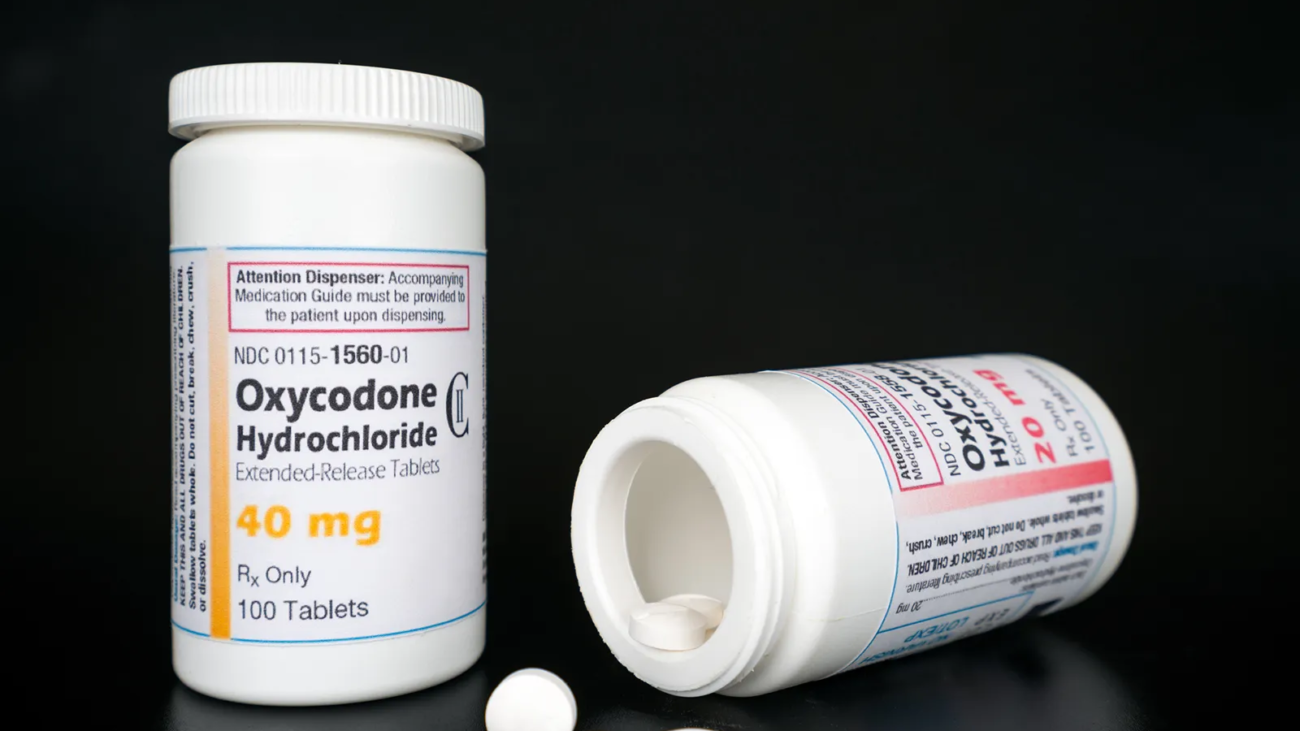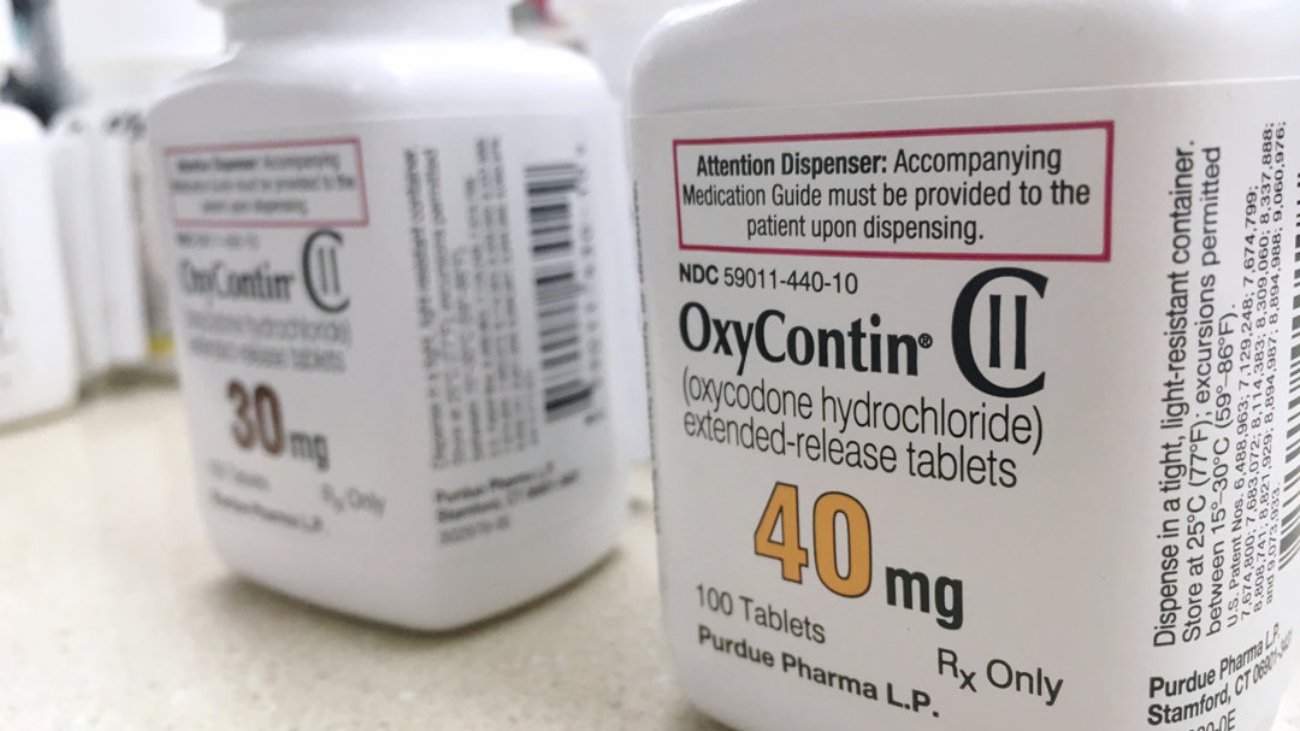
Oxycodone Hydrochloride

Prescription Pain Relief: Understanding Your Options, Benefits & Risks

Pain can affect sleep, mobility, work, exercise and overall quality of life. The right approach to pain management depends on the cause, severity and duration of pain, as well as a person’s overall health and other medicines.

Prescription pain relief is not a single category. Healthcare professionals may consider different medicines and non-drug approaches depending on whether pain is acute, chronic, inflammatory, nerve-related or associated with another medical condition.

Understanding the available options can help patients have more productive conversations with their healthcare providers.

What Is Prescription Pain Relief?

Prescription pain relief refers to medicines that require authorization from a qualified healthcare professional because they may have significant effects, interactions or safety considerations.

Some prescription pain medicines include opioids, while other treatments may involve non-opioid medicines or medications that target particular types of pain.

The appropriate choice depends on the individual rather than simply selecting the strongest medicine.

Opioid Pain Medicines

Opioids such as oxycodone, hydrocodone and morphine can be effective for certain types of significant pain. However, they also carry serious risks, including misuse, addiction, overdose and respiratory depression.

FDA recommends that opioid treatment decisions consider the individual’s pain, function, risks and available alternatives.

Non-Opioid Options

Depending on the condition, treatment may involve non-opioid prescription medicines, over-the-counter medicines, physical therapy, exercise, psychological approaches or other interventions.

For chronic pain, evidence supports several complementary approaches, although effectiveness varies by condition and individual.

Questions to Ask Before Starting Pain Medication

Patients can ask:

  • What is causing my pain?
  • What treatment options are available?
  • Is this medication intended for short-term or longer-term use?
  • What side effects should I watch for?
  • Could this medication interact with my other medicines?
  • Are there non-opioid or non-drug options?
  • What should I do with unused medication?

Conclusion

Effective pain management is about finding an appropriate balance between symptom relief, safety and quality of life. Prescription medicines can be useful for some patients, but treatment should be individualized and monitored..


Opiods

Opioid Pain Medicines Explained: Uses, Safety, Side Effects & Alternatives

Opioid medicines are powerful prescription treatments used for certain types of pain. Common examples include oxycodone, hydrocodone, morphine, fentanyl and tramadol.

They work by interacting with opioid receptors involved in the body’s perception of pain.

Why Are Opioids Prescribed?

Opioids may be considered when pain is severe enough to require them and alternative treatments are insufficient. FDA guidance emphasizes careful evaluation of the benefits and risks.

Important Risks

Potential risks include:

  • Drowsiness
  • Constipation
  • Dizziness
  • Physical dependence
  • Misuse
  • Addiction
  • Overdose
  • Respiratory depression

Risk can increase when opioids are combined with alcohol, benzodiazepines or other central nervous system depressants.

Opioids Are Not Always the First Choice

Some pain conditions can respond to non-opioid medication, physical therapy, exercise, behavioral approaches or other treatments. The best treatment depends on the underlying condition.

Safe Use Matters

Patients should take prescription opioids exactly as directed and should never increase the dose or frequency without discussing it with their healthcare professional.

Oxys

Oxycodone for Pain: What Patients Should Know Before Treatment

Oxycodone is a prescription opioid analgesic used for certain types of pain. It can be effective, but it requires careful medical supervision because of its potential for misuse, dependence, overdose and respiratory depression.

How Does Oxycodone Work?

Oxycodone acts on opioid receptors in the central nervous system, changing how the body perceives and responds to pain.

When Might It Be Prescribed?

A healthcare professional may consider oxycodone when pain is significant enough to warrant an opioid and alternative treatments are inadequate.

Common Side Effects

Possible side effects include:

  • Drowsiness
  • Dizziness
  • Nausea
  • Vomiting
  • Constipation
  • Slowed breathing

Why Medical Supervision Matters

Oxycodone should not be shared or used outside the prescription instructions. FDA recommends secure storage and appropriate disposal of unused opioid medication.

Patients should also ask their healthcare professional whether naloxone is appropriate, particularly when overdose risk is elevated.

Contin

How to Use Prescription Pain Medication Safely and Responsibly

Prescription pain medicine should be treated as a medical treatment rather than an ordinary consumer product.

7 Safety Principles

  1. Take the medication exactly as prescribed.
  2. Never share prescription medication.
  3. Tell your provider about all medicines and supplements you use.
  4. Ask about alcohol and drug interactions.
  5. Store medicines securely.
  6. Don’t change the dose yourself.
  7. Dispose of unused medication appropriately.

With opioids, these precautions are especially important because misuse can result in addiction, overdose and death.

Anti Depressant

Antidepressants Explained: Types, Uses, Benefits & Common Side Effects

Antidepressants are medicines used primarily to treat depression and may also be prescribed for certain anxiety disorders and other conditions.

Common categories include:

  • SSRIs
  • SNRIs
  • NDRIs
  • Tricyclic antidepressants
  • MAOIs
  • Other newer medication classes

Different medicines work differently, and the appropriate option depends on a person’s symptoms, medical history, other medications and treatment goals.

How Long Do Antidepressants Take?

Many antidepressants take several weeks to produce their full effects. NIMH notes that antidepressants commonly take approximately 4–8 weeks to work.

Common Side Effects

Depending on the medicine, side effects can include:

  • Headache
  • Stomach upset
  • Sleep changes
  • Appetite changes
  • Sexual side effects

Patients shouldn’t stop an antidepressant suddenly without speaking with their healthcare provider.

Anti

How Long Do Antidepressants Take to Work?

One of the most common questions after starting an antidepressant is whether it should already be working.

Antidepressants generally don’t provide immediate relief. NIMH explains that they commonly take around 4–8 weeks to work, although individual experiences vary.

What Can Improve First?

Some people may notice improvements in:

  • Sleep
  • Appetite
  • Energy
  • Concentration

before they notice a significant improvement in mood.

What If It Isn’t Working?

Don’t change the dose or discontinue treatment independently. Your healthcare professional may evaluate:

  • The amount of time you’ve taken it
  • Your symptoms
  • Side effects
  • Other medicines
  • Whether another treatment would be appropriate

Depression treatment can involve psychotherapy, medication or both.

Thes

Antidepressants vs Therapy: Understanding Depression Treatment Options

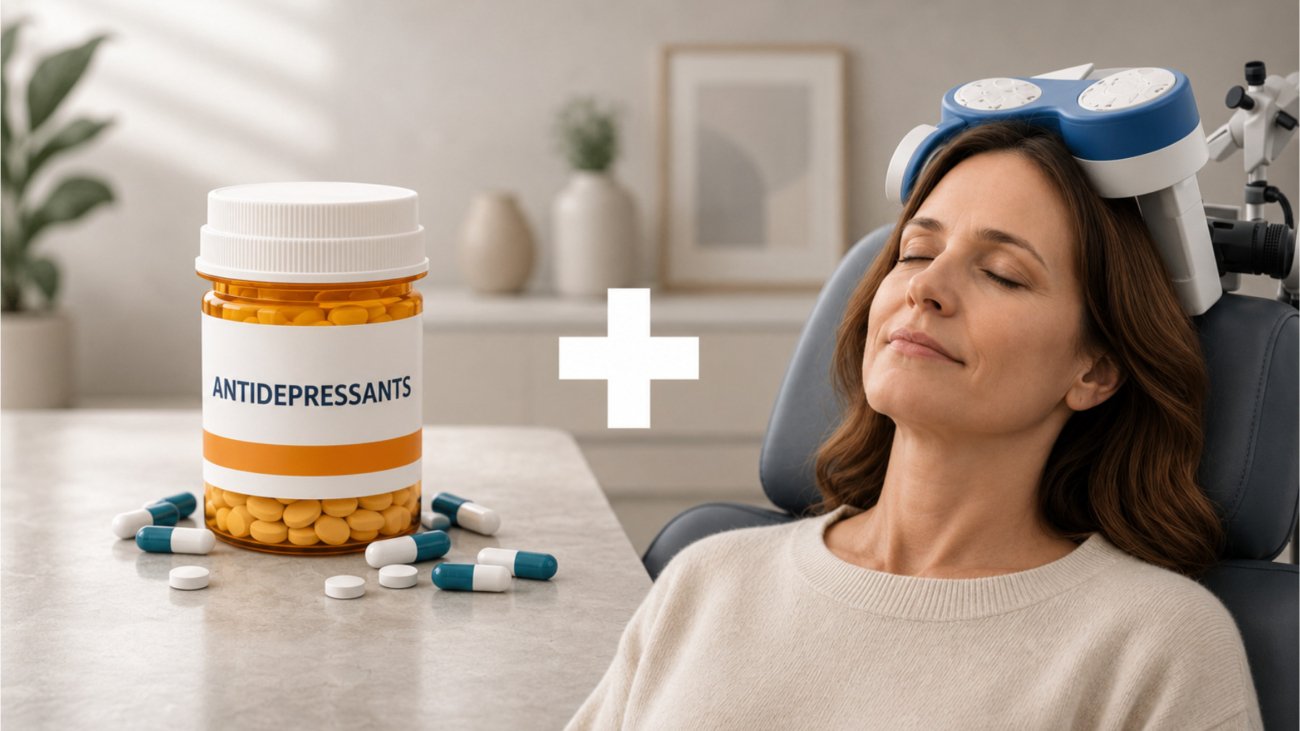
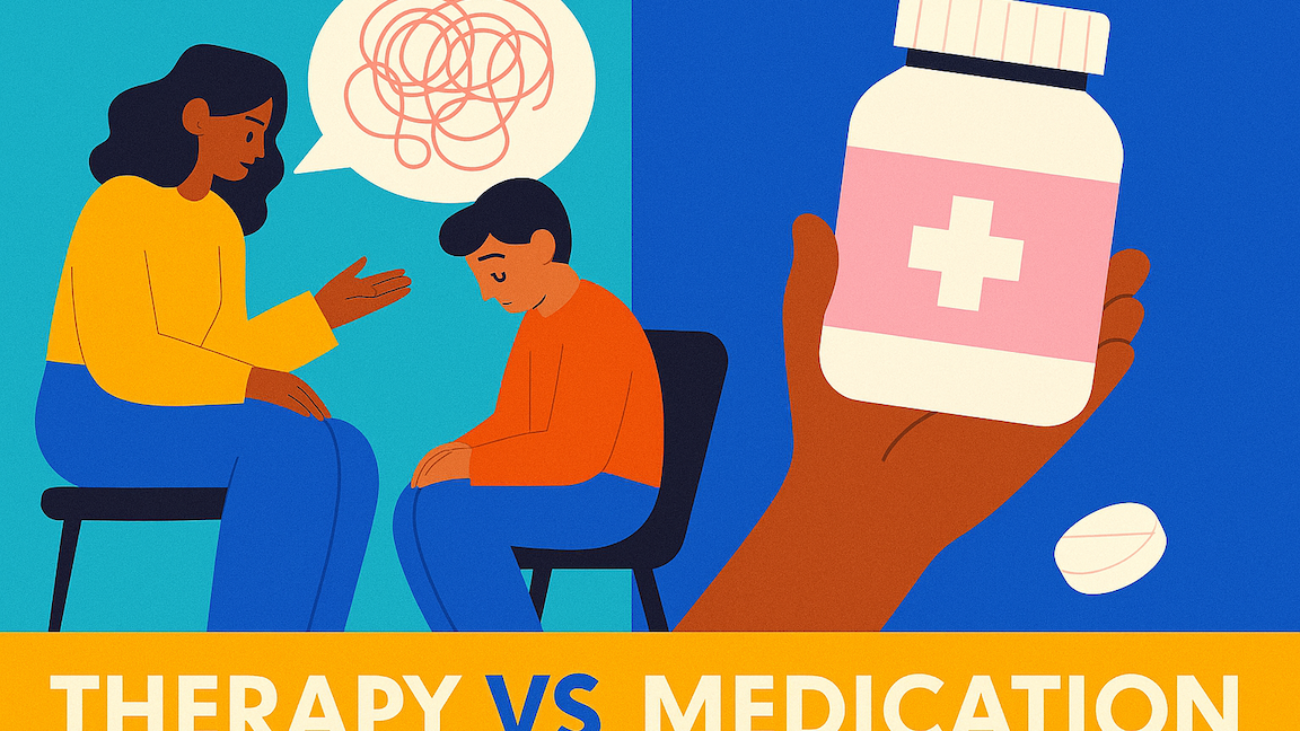
Depression treatment isn’t necessarily a choice between medication and psychotherapy. Depending on the person’s situation, both may have a role.

NIMH identifies psychotherapy, medication or a combination of both as common approaches to depression treatment.

Medication

Antidepressants can help reduce symptoms for many people.

Psychotherapy

Evidence-based therapies such as cognitive behavioral therapy can help people identify and change unhelpful thought and behavior patterns.

Which Is Better?

There isn’t one universally best treatment. Treatment should be individualized according to symptoms, severity, preferences, health history and professional assessment.

The

What to Know Before Starting an Antidepressant Medication

Before starting an antidepressant, patients should understand what the medicine is intended to treat, how long it may take to work, possible side effects and potential interactions.

Tell your healthcare provider about:

  • Prescription medicines
  • OTC medicines
  • Vitamins
  • Herbal products
  • Supplements
  • Previous medication reactions

FDA specifically advises patients to discuss other medicines and supplements because interactions can occur.

Antidepressant treatment also requires monitoring for changes in mood and behavior, particularly after starting treatment or changing the dose.

CBD

CBD Oil Explained: Uses, Safety, Quality & What Research Says

CBD, short for cannabidiol, is one of the compounds found in cannabis.

CBD should not automatically be described as a treatment for every condition. The FDA states that there are still significant unanswered questions about CBD’s safety, quality and effectiveness.

What Is CBD Oil?

CBD oil typically refers to a product containing cannabidiol in an oil-based formulation.

CBD differs from THC, the cannabis compound associated with the intoxicating “high.”

Is CBD Safe?

CBD isn’t automatically risk-free.

FDA identifies potential concerns including:

  • Liver injury
  • Drug interactions
  • Sedation
  • Drowsiness
  • Unknown product quality

Therefore, people taking prescription medicines should discuss CBD with a healthcare professional before using it.

CBDS

How to Choose CBD Oil: What to Look for in a Quality Product

The growing CBD market means consumers may encounter products with significant differences in labeling, formulation and quality.

Check the Label

Look for:

  • Amount of CBD per serving
  • Ingredient list
  • Manufacturer information
  • Batch information
  • Appropriate testing documentation
  • Clear THC information where applicable

Be Careful With Medical Claims

A product claiming to “cure anxiety,” “cure depression” or “replace prescription medication” should be approached cautiously.

FDA has specifically warned about CBD products being marketed with unproven medical claims and unknown quality.

Ask a Healthcare Professional

CBD can interact with other medicines, so professional guidance is particularly important for people taking prescription medications.