
 Cart is empty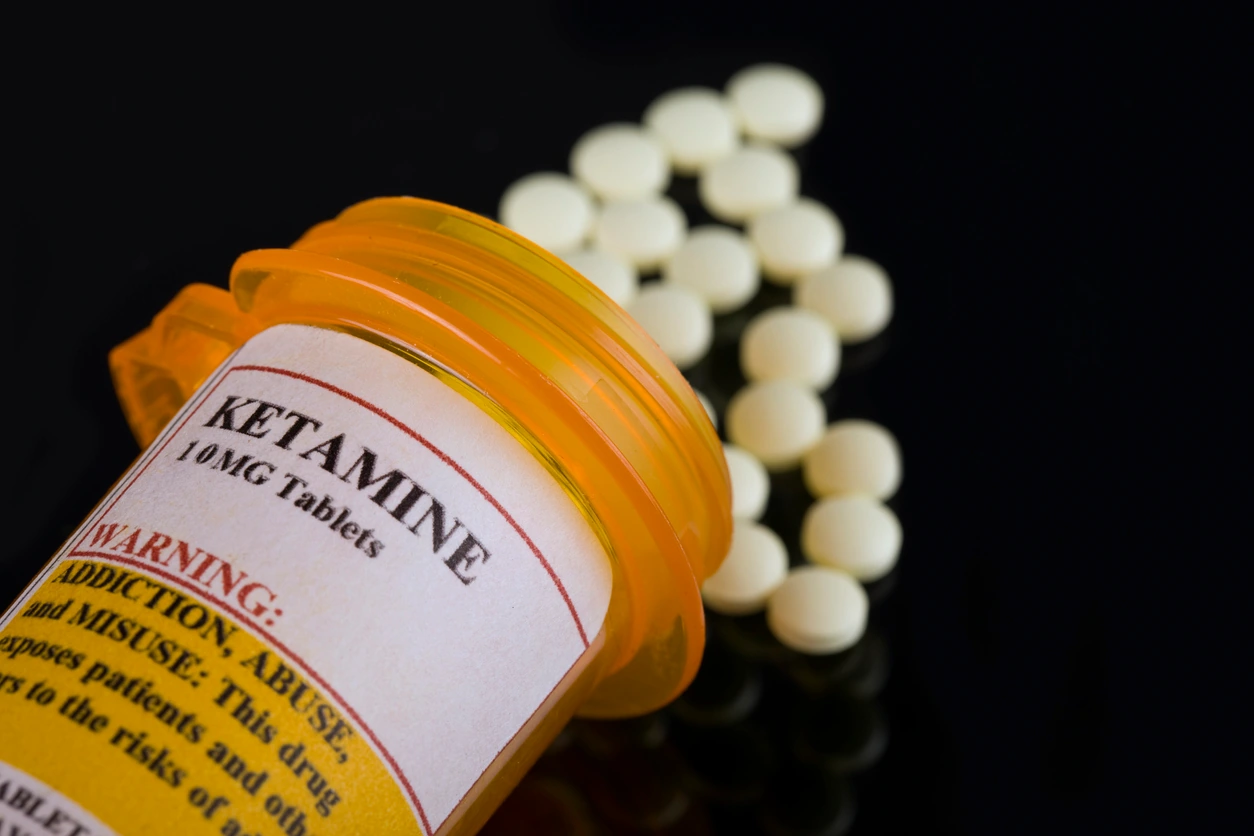
Ketamine Tabs
Price range: $150.00 through $1,460.00
- Anesthesia during medical procedures
- Pain management applications
- Certain psychiatric treatment protocols under professional supervision
- Learning
- Memory
- Neural communication
- Brain adaptability
- Mood regulation
- Stress responses
- Emotional processing
- Neural connectivity
- Sedation
- Pain control
- Anesthesia support
- Treatment-resistant depression
- Certain mood disorders
- Specific psychiatric conditions under specialist care
- Mental health history
- Previous treatments
- Medical conditions
- Current medications
- Treatment goals
- Initial medical evaluation
- Treatment planning
- Medication administration
- Monitoring during sessions
- Follow-up assessments
- Counseling
- Behavioral therapy
- Lifestyle changes
- Ongoing psychiatric support
- Licensed medical professionals
- Appropriate patient screening
- Clinical monitoring
- Treatment follow-up
- Clear safety procedures
- Medical history
- Treatment expectations
- Potential benefits
- Possible risks
- Alternative treatment options
- Awareness
- Perception
- Coordination
- Blood pressure
- Heart rate
- Mental state
- Existing medical conditions
- Mental health history
- Medication interactions
- Substance use history
- Cardiovascular health
- Dizziness
- Nausea
- Drowsiness
- Increased blood pressure
- Changes in perception
- Temporary confusion
- Dissociation
- Sedative medications
- Alcohol use
- Psychiatric medications
- Pain medications
- Other substances affecting the nervous system
- Diagnosis
- Previous treatment history
- Overall health
- Current medications
- Treatment objectives
- Medical supervision
- Evidence-based practices
- Patient safety
- Qualified clinical staff
- Comprehensive follow-up care
- Healthcare provider evaluation
- Medical eligibility
- Local regulations
- Approved treatment settings
Ketamine Treatment Therapy: Complete Medication Information, Uses, Safety and Professional Care Guide
Introduction to Ketamine Treatment
Ketamine is a prescription medication that has been used in medical settings for decades. Originally developed as an anesthetic, ketamine is now also being studied and used in specific healthcare settings for additional therapeutic applications under professional supervision.
A growing body of research has examined ketamine’s potential role in areas such as mental health treatment, including certain cases of treatment-resistant depression and other psychiatric conditions. When used therapeutically, ketamine should always be administered by qualified healthcare professionals within an appropriate medical setting.
This ketamine therapy guide provides information about how ketamine works, its medical uses, potential benefits, safety considerations, and how healthcare providers evaluate whether ketamine treatment may be appropriate.
What Is Ketamine?
Ketamine is a prescription medication classified as a dissociative anesthetic. It affects certain communication pathways within the brain and nervous system.
In medical environments, ketamine may be used for:
Ketamine works differently from many traditional medications because it primarily influences the brain’s glutamate system, particularly pathways involving N-methyl-D-aspartate (NMDA) receptors.
Because ketamine produces significant effects on perception, consciousness, and nervous system activity, it requires appropriate medical oversight.
How Ketamine Works
Ketamine affects several neurological systems, with its primary action involving glutamate, one of the brain’s major neurotransmitters.
Glutamate plays important roles in:
By influencing NMDA receptor activity, ketamine may affect communication between brain cells and support changes in neural pathways.
Researchers continue studying how ketamine may influence:
Individual responses vary, and healthcare providers determine whether ketamine treatment is appropriate based on medical history and treatment goals.
Medical Uses of Ketamine
Ketamine as an Anesthetic Medication
Ketamine has a long history of use as an anesthetic medication in healthcare settings.
Medical professionals may use ketamine during procedures because it can provide:
Its anesthetic properties make it an important medication in certain clinical environments.
Ketamine for Mental Health Treatment
Ketamine has received increasing attention for its potential role in mental health treatment.
Healthcare providers may evaluate ketamine therapy for certain patients experiencing conditions such as:
Ketamine-based mental health treatment is not appropriate for everyone and requires careful patient assessment.
A healthcare provider typically reviews:
Ketamine Therapy Information
Modern ketamine therapy involves structured medical treatment where patients receive ketamine under professional supervision.
A ketamine therapy program may include:
Healthcare providers determine the appropriate treatment approach based on individual patient needs.
Ketamine therapy is generally considered one part of a broader healthcare plan, which may also include:
Benefits of Ketamine Treatment
When used appropriately under medical supervision, ketamine treatment may provide benefits for selected patients.
Potential benefits being studied include:
Rapid Therapeutic Effects
Research has explored ketamine’s ability to produce relatively rapid changes in certain symptoms compared with some traditional treatments.
Support for Treatment-Resistant Conditions
Some patients who have not responded adequately to previous therapies may be evaluated for ketamine treatment options.
Alternative Treatment Approaches
Ketamine may provide another option within specialized healthcare programs when standard approaches have not provided sufficient results.
Treatment outcomes vary between individuals, and healthcare professionals determine suitability.
Ketamine Treatment Center and Provider Consultation
Choosing a qualified ketamine treatment center is an important step for individuals exploring ketamine therapy.
A professional ketamine provider should offer:
During a ketamine therapy provider consultation, healthcare professionals may discuss:
Ketamine Safety Information
Ketamine requires careful medical supervision because it can affect:
Healthcare providers monitor patients during treatment to help ensure safety.
Important considerations include:
Possible Side Effects of Ketamine
Like other prescription medications, ketamine may cause side effects.
Possible effects may include:
Some individuals may experience stronger reactions, which is why professional monitoring is essential.
Patients should discuss concerns with their healthcare provider.
Ketamine Drug Interactions
Patients should provide healthcare providers with complete medication information before receiving ketamine.
Important considerations may include:
A complete medical review helps providers determine the safest treatment approach.
Who May Benefit From Ketamine Therapy?
Ketamine therapy may be considered for carefully selected patients after professional evaluation.
Healthcare providers may consider:
Ketamine is not a universal treatment option and requires individualized medical assessment.
Finding Professional Ketamine Treatment Services
Individuals searching for ketamine treatment options should choose healthcare providers that prioritize:
A professional ketamine therapy program can provide evaluation, education, treatment planning, and ongoing monitoring.
Ketamine Availability and Prescription Information
Ketamine is a prescription medication and access depends on:
Patients should obtain ketamine only through legitimate healthcare channels and qualified medical professionals.
Frequently Asked Questions About Ketamine Treatment
What is ketamine used for?
Ketamine is a prescription medication used primarily as an anesthetic and may also be used in specialized treatment settings for certain medical and mental health applications.
What is ketamine therapy?
Ketamine therapy refers to medically supervised treatment programs where ketamine is administered for specific therapeutic purposes.
How does ketamine work?
Ketamine primarily affects glutamate-related pathways in the brain, including NMDA receptors involved in neural communication.
Is ketamine safe?
Ketamine can be safely used when administered by qualified healthcare professionals in appropriate medical settings.
Can ketamine help with depression?
Ketamine has been studied for certain cases of treatment-resistant depression, but suitability depends on individual medical evaluation.
Where can patients receive ketamine treatment?
Patients should seek ketamine treatment through licensed healthcare providers and qualified medical facilities.

Ketamine is a prescription medication with anesthetic and analgesic properties. In clinical settings, ketamine may be used for anesthesia and, under specialist supervision, for certain pain-management applications. Ketamine-related treatments for depression are also available in specific medical settings, although the appropriate formulation and indication depend on the patient’s circumstances.
Ketamine can affect the central nervous system and may cause drowsiness, dizziness, nausea, changes in perception, increased blood pressure, and impaired coordination. Repeated or inappropriate use can also result in dependence and other serious health risks.
Because ketamine can interact with other medicines and substances that affect the central nervous system, patients should disclose all medications, supplements, alcohol use, and relevant medical conditions to their healthcare professional.
Important: Ketamine is a prescription medication that should only be used under appropriate medical supervision. It should not be used without a valid medical indication or shared with another person.
| 30 Tabs | 10 MG, 25 MG, 50MG, 100 MG, 150 MG, 200 MG, 500 MG |
|---|
1 review for Ketamine Tabs
Related Products
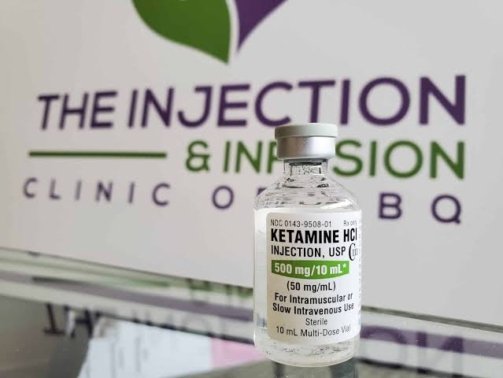
ketamine Vials
Price range: $260.00 through $1,100.00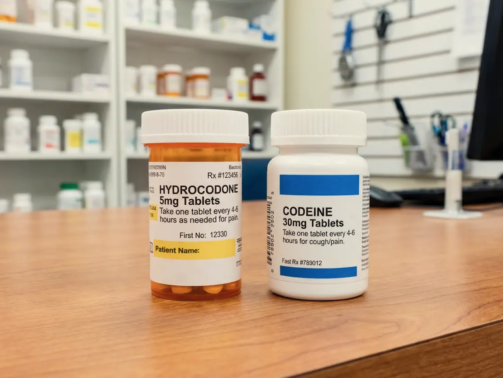
Hydrocodone
Price range: $260.00 through $1,200.00
Anonymous –
A wonderful serenity has taken possession of my entire soul, like these sweet mornings of spring which I enjoy with my whole heart. I am alone, and feel the charm of existence in this spot, which was created for the bliss of souls like mine. I am so happy.