
 Cart is empty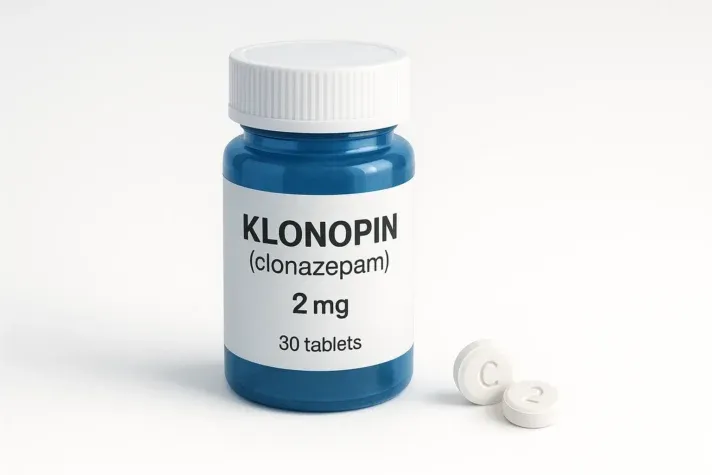
Klonopin (Clonazepam)
Price range: $180.00 through $670.00
- Certain seizure disorders
- Panic disorder
- Other conditions where healthcare providers determine benzodiazepine therapy may be appropriate
- Medical history
- Current symptoms
- Other medications
- Mental health status
- Previous treatment response
- Nervous system activity
- Relaxation responses
- Muscle activity
- Brain excitability
- Reduce seizure activity
- Decrease excessive nervous system stimulation
- Reduce symptoms associated with panic disorder
- Dosage
- Duration of treatment
- Individual metabolism
- Other medications
- Overall health condition
- Recurrent panic attacks
- Sudden episodes of intense fear
- Physical symptoms related to anxiety
- Seizure type
- Patient history
- Other treatments
- Individual response
- Medical condition
- Patient response
- Age
- Other medications
- Treatment goals
- Drowsiness
- Reduced coordination
- Slowed reaction time
- Difficulty concentrating
- Drowsiness
- Dizziness
- Fatigue
- Reduced coordination
- Memory difficulties
- Changes in concentration
- Severe sedation
- Breathing difficulties
- Confusion
- Significant behavioral changes
- Allergic reactions
- Prescription medicines
- Over-the-counter products
- Supplements
- Herbal products
- Follow healthcare provider instructions
- Do not share medication
- Store medication securely
- Avoid alcohol unless approved by a healthcare professional
- Attend follow-up appointments
- Report unusual symptoms
- Diagnosis
- Symptom severity
- Medical history
- Previous treatment approaches
- Potential risks
- Symptom improvement
- Side effects
- Medication effectiveness
- Signs of tolerance
- Dependence risks
- Conduct appropriate medical evaluations
- Follow prescribing guidelines
- Monitor treatment progress
- Explain medication risks and benefits
- Provide follow-up care
Klonopin (Clonazepam): Complete Medication Guide for Uses, Safety, Side Effects and Prescription Information
Introduction to Klonopin (Clonazepam)
Klonopin is the brand name for clonazepam, a prescription medication belonging to a class of medicines known as benzodiazepines.
Clonazepam affects the central nervous system and is prescribed for certain neurological and anxiety-related conditions. It works by enhancing the activity of gamma-aminobutyric acid (GABA), a naturally occurring chemical messenger in the brain involved in regulating nervous system activity.
Klonopin may be prescribed for:
Because clonazepam can cause dependence, tolerance, and withdrawal symptoms, it should only be used under the direction of a qualified healthcare professional.
Healthcare providers consider multiple factors before prescribing Klonopin, including:
What Is Klonopin (Clonazepam)?
Klonopin contains the active ingredient clonazepam, a benzodiazepine medication.
Benzodiazepines are a group of medications that influence brain activity by enhancing GABA signaling.
GABA helps regulate:
By increasing GABA activity, clonazepam may produce calming effects and help reduce abnormal electrical activity in the brain.
Klonopin is available in tablet formulations and may also be available as orally disintegrating tablets depending on the market and prescribing requirements.
How Klonopin Works
Klonopin works primarily by enhancing the effects of GABA at specific receptors in the brain.
GABA is an inhibitory neurotransmitter, meaning it helps reduce excessive nerve activity.
Through this mechanism, clonazepam may help:
The effects of clonazepam vary among individuals depending on:
Medical Uses of Klonopin
Treatment of Panic Disorder
Klonopin clonazepam is approved for the treatment of panic disorder in appropriate patients.
Panic disorder may involve:
Healthcare providers evaluate symptoms carefully before recommending medication.
Seizure Disorders
Klonopin clonazepam may be prescribed as part of treatment for certain seizure conditions.
It may be used to help control abnormal electrical activity in the brain.
Healthcare professionals determine suitability based on:
Benefits of Klonopin When Medically Appropriate
When prescribed appropriately, Klonopin clonazepam may provide therapeutic benefits for selected patients.
Reduction of Panic Symptoms
For individuals with panic disorder, clonazepam may help reduce the frequency or severity of panic symptoms.
Seizure Management Support
Klonopin clonazepam may help reduce seizure activity in certain neurological conditions.
Nervous System Stabilization
By influencing GABA activity, clonazepam may help regulate excessive nervous system activity.
Treatment decisions should always be individualized by healthcare professionals.
Klonopin Dosage and Formulation Information
Klonopin is available in different strengths depending on prescribing needs.
Healthcare providers determine dosage based on:
Dosage adjustments should only be made under professional medical supervision.
Patients should never change dosage or discontinue clonazepam without consulting their healthcare provider.
Important Safety Information About Klonopin
Klonopin requires careful medical supervision because benzodiazepines can produce significant effects on the central nervous system.
Important safety considerations include:
Dependence and Withdrawal
Long-term or repeated use of clonazepam may lead to physical dependence.
Suddenly stopping the medication may result in withdrawal symptoms.
Healthcare providers typically create gradual treatment adjustment plans when discontinuation is appropriate.
Sedation and Impairment
Klonopin may cause:
Patients should follow healthcare guidance regarding activities requiring alertness.
Respiratory Risks
Combining clonazepam with certain substances that depress the nervous system may increase the risk of breathing problems.
Possible Side Effects of Klonopin
Like all medications, Klonopin may cause side effects.
Common side effects may include:
Patients should discuss persistent or concerning symptoms with healthcare providers.
Serious side effects may include:
Klonopin Drug Interactions
Patients should provide healthcare providers with a complete list of medications and substances they use.
Important interactions may include:
Alcohol
Alcohol may increase sedation and impairment risks when combined with clonazepam.
Opioid Medications
Combining benzodiazepines with opioids may increase risks of serious sedation and respiratory depression.
Other Sedatives
Other medications that slow nervous system activity may increase clonazepam-related effects.
Prescription Medications
Healthcare providers should review:
Proper Use of Klonopin
Klonopin should be taken exactly as prescribed.
Responsible medication practices include:
Safe use helps maximize benefits while reducing potential risks.
Who May Receive Klonopin Treatment?
Klonopin clonazepam may be appropriate for individuals who have been evaluated by healthcare professionals.
Providers consider:
Not everyone experiencing anxiety or neurological symptoms requires benzodiazepine treatment.
Professional assessment is essential.
Klonopin and Healthcare Provider Monitoring
Ongoing monitoring helps ensure safe and effective treatment.
Healthcare providers may evaluate:
Regular follow-up supports responsible medication management.
Choosing a Reliable Klonopin Healthcare Provider
Patients should seek care from qualified healthcare professionals who:
Responsible benzodiazepine treatment requires individualized medical decision-making.
Frequently Asked Questions About Klonopin (Clonazepam)
What is Klonopin used for?
Klonopin clonazepam is a prescription benzodiazepine used for certain seizure disorders and panic disorder under medical supervision.
How does Klonopin work?
Klonopin works by enhancing GABA activity in the brain, helping regulate excessive nervous system activity.
Is Klonopin a controlled medication?
Yes. Klonopin clonazepamm is classified as a controlled prescription medication in many regions because of dependence and misuse risks.
What are common Klonopin side effects?
Common side effects may include drowsiness, dizziness, fatigue, reduced coordination, and concentration difficulties.
Can Klonopin cause dependence?
Yes. Long-term use may lead to physical dependence, and discontinuation should be managed by a healthcare professional.
Can Klonopin be taken with alcohol?
Patients should avoid combining Klonopin clonazepam with alcohol unless specifically advised by a healthcare provider .
How long does Klonopin stay in the body?
The duration varies depending on factors such as metabolism, dosage, frequency of use, and individual health characteristics.

Klonopin clonazepam is a prescription medication belonging to the benzodiazepine class. It is primarily used to treat certain seizure disorders and panic disorder. Clonazepam works by enhancing the activity of GABA, a neurotransmitter that helps reduce excessive activity in the central nervous system.
Klonopin is intended for use under the supervision of a qualified healthcare professional. Treatment should be individualized based on the patient’s condition, medical history, and other medications being used.
Because clonazepam can cause drowsiness, dizziness, impaired coordination, physical dependence, misuse, and addiction, it should be used only as prescribed. Combining clonazepam with opioids, alcohol, or other central nervous system depressants can cause profound sedation, respiratory depression, coma, and potentially death.
Important: Klonopin (clonazepam) is a prescription controlled medication. Do not share it with others or use it without appropriate medical supervision. Do not stop treatment suddenly without professional guidance, as abrupt discontinuation can cause potentially serious withdrawal symptoms.
| Counts | 30 Tabs, 60 Tabs, 90 Tabs, 120 Tabs |
|---|
Related Products
Ativan (lorazepam)
Price range: $160.00 through $710.00
Increlex (Mecasermin)
$1,480.00
ketamine Vials
Price range: $260.00 through $1,100.00
Reviews
There are no reviews yet.